Home
Recipes
Cafe
Newsletter
Contact
Products
Resources
About Us
Co-Op
Blog

Children, ADHD, and Pesticides

May 19th, 2010

A recent article on CNN explained that children exposed to a type of pesticide found in trace amounts on commercially grown fruits and vegetables are more likely to have attention deficit hyperactivity disorder than children with less exposure.

The pesticides, also known as organophosphates, are “designed” to have toxic effects on the nervous system, says the lead author of the study, Maryse Bouchard, Ph.D., a researcher in the department of environmental and occupational health at the University of Montreal. “That’s how they kill pests.”

Many commercially grown fruits and veggies sold in the U.S. have detectable levels of pesticides, according to a 2008 study by the US Dept of Ag.

This article further suggests that children eat LOCAL and ORGANIC fruits and veggies, something that we certainly agree with and have been promoting all along. It was found that even non-organic local veggies had fewer pesticides on them, but why not take the extra measure of buying organic to be sure that the food we give our children is free from damaging pesticides?

This report also coincides with the results of another study that showed that cord blood of infants contained up to 232 different toxic substances, demonstrating prenatal exposure to environmental pollutants. How incredibly sad to think that our children are contaminated and possibly weakened even BEFORE they are born by toxins that can and should be banned.

One can only hope that reports like this will somehow touch off major change at the government and corporate level. Or perhaps a report like this will tilt the balance of consumers switching to more organic products, hence forcing a change in the marketplace. However it happens, it can’t happen too soon. In the meantime, our store offers the greatest selection of LOCAL and ORGANIC produce in northern Michigan. We also have weekly produce specials, great deals on fruits and veggies that you’ll want to take advantage of.

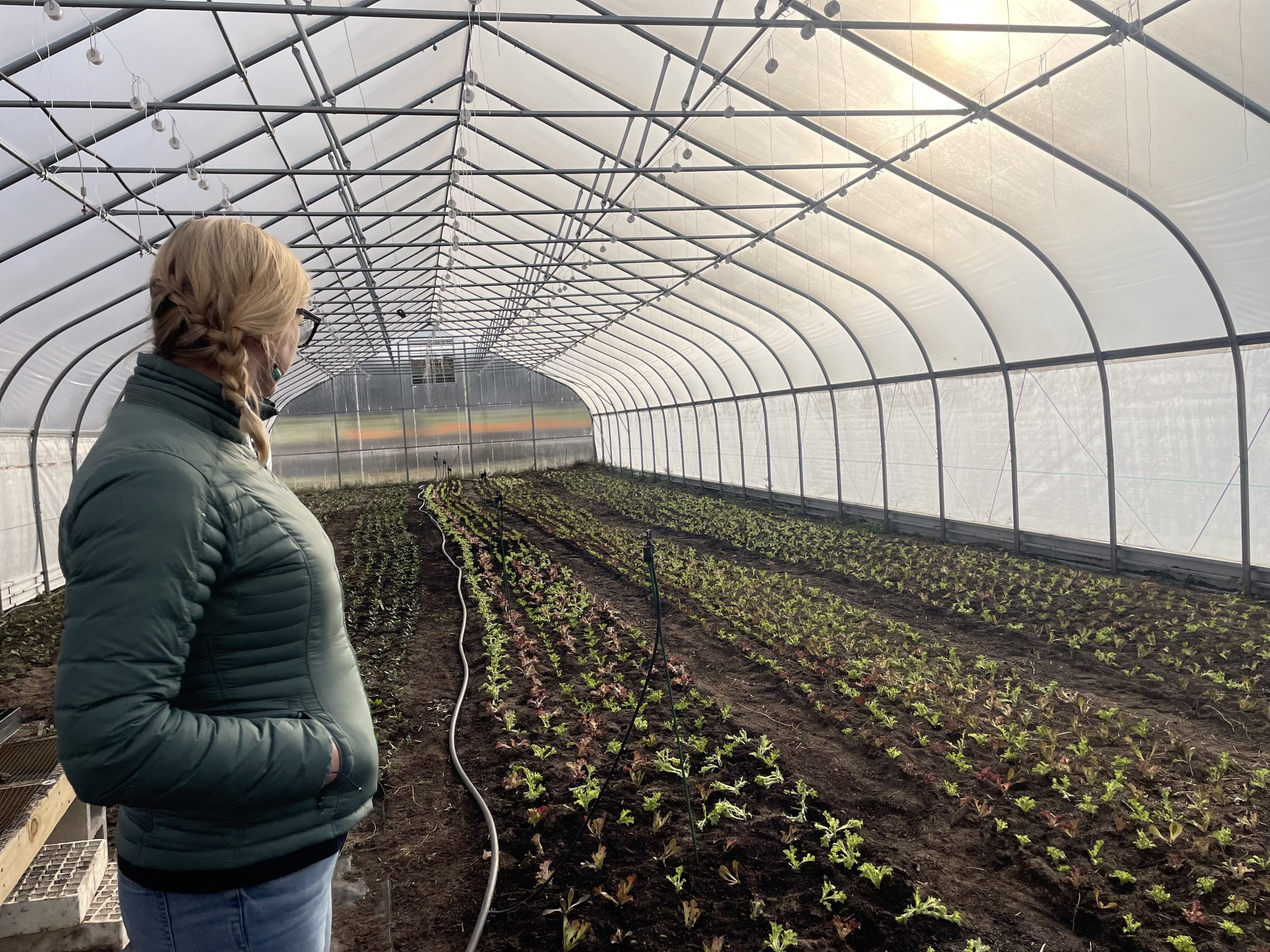
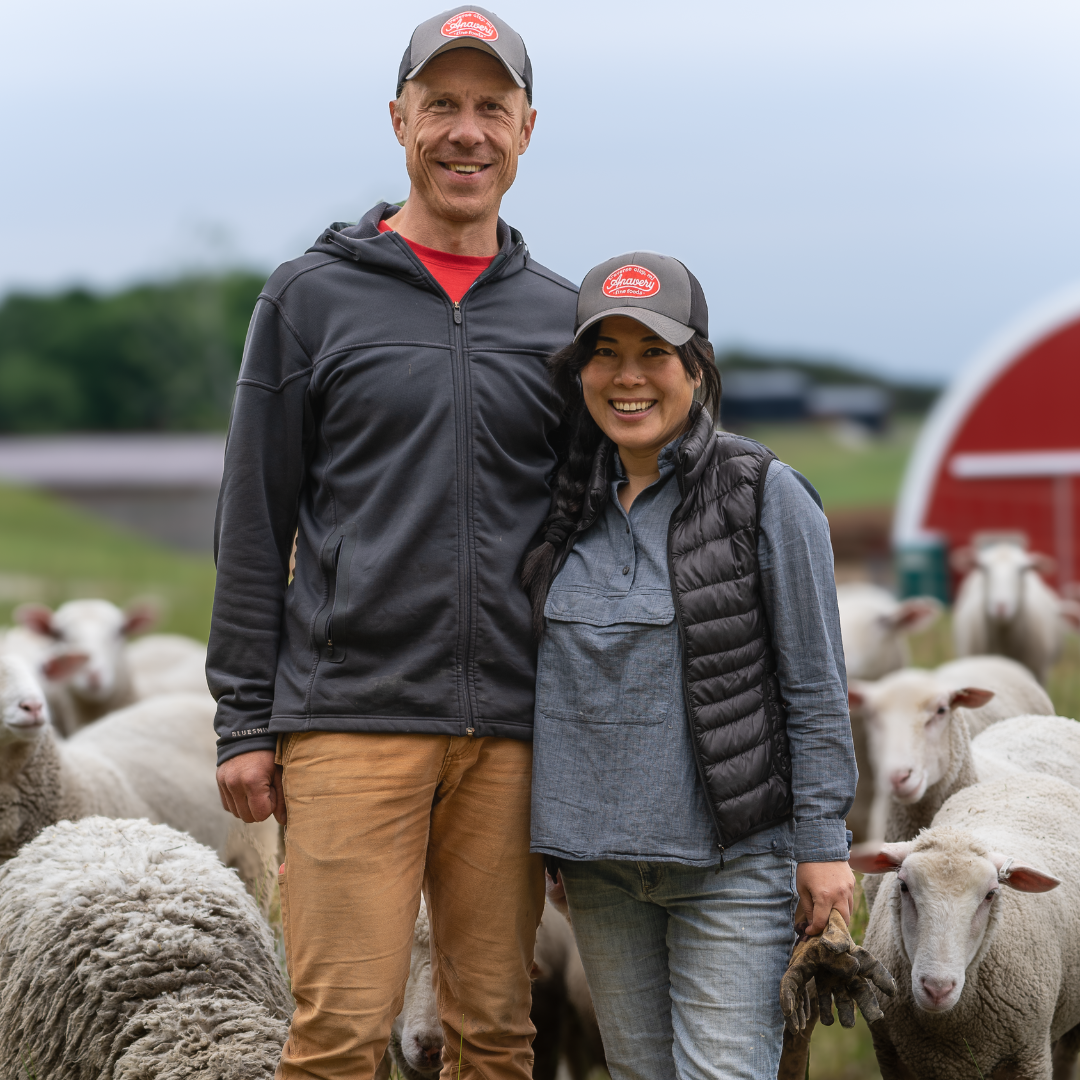
Also, we now have ORGANIC TRANSPLANTS so you can start your own little or big organic garden. The transplants come from the organic farm of Jim Moses and Linda Grigg of Leelanau County.

  • Share/Bookmark

Asparagus and Spring Greens!

May 14th, 2010

I was visiting a friend the other day and as we were walking through her yard I spied some tall, proud-looking stalks of asparagus poking out of the grass. I promptly picked several stalks and marveled at how this wonderful, tasty stalk was just there for the picking and rejoiced in being able to (finally) harvest a fresh, local food.

What a happy time of year it is when we can start eating local green delectables again. The store is full of local greens now, collards, kale, and lettuce, and boy are they good! The California and foreign imports are great to have during the winter but you can really taste the difference between something locally grown and something that’s traveled a long distance, even organically grown foods.

We now have organic transplants from Linda Griggs and Jim Moses so you can start your own garden of delights at home. What they brought so far: kale, cabbage, chard, collard greens, broccoli, and herbs. Tomatoes and peppers coming soon…Even if you don’t have a huge, sunny plot of land you can most likely start a container garden in any sunny spot. It is a profoundly satisfying experience to pick something that you yourself planted several weeks or months earlier, to watch a seed or seedling grow from tiny sprout to a luscious, juicy tomato or crisp, shiny green pepper. I feel in touch with Mother Earth when I pick a tomato I planted and also feel a deep sense of self-reliance. Not to mention how much fun it is to cook your home-grown, just picked dinner!

Here are a few recipes utilizing our local spring bounty. Happy cooking and eating!

Grilled Asparagus

1 pound fresh asparagus, tough ends snapped off
1 tablespoon extra-virgin olive oil
salt and pepper to taste

1. Preheat grill for high heat.
2. Lightly coat the asparagus spears with olive oil. Season with salt and pepper to taste.
3. Grill over high heat for 2 to 3 minutes, or to desired tenderness.

Simple Asparagus Soup

2 pounds green asparagus, cut into half inch pieces
1 large onion, chopped
3 tablespoons unsalted butter or extra virgin olive oil
5 to 6 cups chicken or veggie broth
1/2 cup crème fraîche or heavy cream
1/4 teaspoon fresh lemon juice, or to taste
chopped fresh chives for garnish

Cook onion in butter in a large soup pot over low heat, stirring, until softened. Add asparagus and salt and pepper to taste, and cook, stirring, 5 minutes. Add 5 cups broth and simmer, covered, until asparagus is very tender, 15 to 20 minutes. Purée soup in the pot using a hand blender until smooth. Stir in crème fraîche and lemon juice, then add more broth to thin soup to desired consistency. Season with salt and pepper. Heat through but do not boil. Serve sprinkled with chives.

Sauteed Collard Greens

2 1/2 pounds collard greens, stems removed, chopped
2 garlic cloves, minced
1 tablespoon butter
1 tablespoon extra virgin olive oil
1 teaspoon apple cider vinegar
salt and pepper to taste

In a large pot of boiling water cook collards 15 minutes and drain in a colander, pressing out excess liquid with back of a wooden spoon. Heat butter and oil in a large skillet over medium high heat and stir in garlic. Cook for about 5 seconds. Add collards, and salt and pepper to taste. Sauté the mixture, stirring, until heated through, about 5 minutes. Drizzle collards with vinegar and toss well. Serve hot.

  • Share/Bookmark

Raw Milk Farmers in Massachussetts Under Assault

May 7th, 2010

The Massachusetts Department of Agricultural Resources (MDAR) under prodding from large dairy corporations and the FDA are attempting to restrict the delivery of raw milk to thousands of consumers throughout Massachusetts. Earlier this year, the MDAR issued a cease and desist order to raw milk buying clubs who were delivering the milk to customers across the state. If passed, the Massachusetts law could set a dangerous national precedent.

The Massachusetts law is just the latest in a calculated assault against small farmers and unprocessed raw foods in America. Over three million Americans now prefer organic raw milk and dairy products over conventional pasteurized milk because of its superior nutrition and disease fighting capabilities, and because it comes from small, local producers who pasture their dairy cows, rather than feeding them GMO grains on huge, disease-ridden intensive-confinement factory farms.

Sales of raw milk are legal in 28 states so small dairy farmers in states like Massachusetts (and Michigan) must utilize cow share programs to be able to distribute their raw milk products. What’s happening in Mass. is alarming and if they succeed the affect could soon negatively impact other states.

Raw milk sales in Michigan is illegal but there are many farmers who have cow share programs throughout the state, including right here in northern Michigan. Eddie Keim of Grazing Acres recently started his cow share program and is looking for more customers. (With a cow share program, you purchase part of a cow and the farmer simply takes care of the cow and just delivers the milk.) Raw milk is a superb, whole and highly nutritious food. My hope is that someday we will be able to sell raw milk at Oryana. Meanwhile, we carry Shetler’s milk products, the next best thing to raw.

For more info on raw milk click on the link below. If you live in the T.C area and are interested in purchasing a cow share, you can contact Grazing Acres Farm, info below.

List of Michigan farmers with cow share programs

Grazing Acres Farm
18540 50th Ave
Marion, MI 49665
231-743-6819

  • Share/Bookmark

Fresh Fish…Know the Source Before You Buy

April 27th, 2010

I find that one of the saddest consequences (among a great many) of our worsening environmental crisis is that much of the seafood on the market nowadays is no longer fit for human consumption due to high levels of contamination. Eating a nice meal of fish for dinner every week used to be a great way to get your omega-3 fats, plus it just tasted so good. But doing so now is a risky venture.

More than 80 percent of the seafood consumed in the US is imported, and China is the largest exporter of seafood to the US. That is scary enough but according to a recent U.S. Geological Survey study, mercury contamination was detected in EVERY fish sampled in nearly 300 streams across the United States!

Farmed fish is not the answer either. Over 40 percent of all seafood is produced in aqua-farms, but studies have also consistently found levels of PCBs, dioxins, toxaphene and dieldrin, as well as mercury, to be higher in farm-raised fish than wild fish. Nearly all farm-raised fish are fed a concoction of vitamins, antibiotics, and depending on the fish, synthetic pigments, to make up for the lack of natural flesh coloration due to the altered diet. Without it, the flesh of caged salmon, for example, would be an unappetizing, pale gray.

The likelihood that the fish you buy in a local grocery store or restaurant is actually free of dangerous levels of contamination is slim, hence the sad conclusion that we should avoid most fish, other than very small fish (like anchovies and sardines) or wild-caught fish from minimally polluted areas like the Arctic, Antarctic or Alaskan waters.

Oryana carries several brands of seafood in our frozen section: Natural Sea, Alaskan Premium, Henry & Lisa’s, and World Catch. These companies have high standards as far as safety and sustainability of fishing is concerned. For example, Henry & Lisa’s tests their fish for mercury and PCBs and aquacultured fish are grown without the use of chemicals or additives.

Alaskan Premium is a new, local business that sells fresh fish from Alaska. This company’s label states: “Our method and motto is sustainability and traceablility. We catch our fish and flash freeze them and process them right after they are caught…hook and line fishing is one of the least invasive means and having it sent from the boat to Northern Michigan ensure the product’s traceability.” Look for their cod and salmon in the meat freezer. They will do a demo of their product on Wednesday, April 28 from 3 – 5.

The deplorable state of the earth’s fish species is grievous and unforgivable; not only are the fish’s prospects for survival bleak and their place in our delicate ecosystem compromised, but we are losing a highly nutritious source of food. We can take a stand against unsafely farmed and unsustainably caught fish by avoiding fish from an unknown source and supporting responsible fish companies like the ones Oryana buys from.

Information for today’s post was obtained from this article on Mercola.com

  • Share/Bookmark

Every Day is Earth Day at Oryana

April 21st, 2010

Earth Day founder Gaylord Nelson, then a U.S. Senator from Wisconsin, started the first nationwide environmental protest “to shake up the political establishment and force this issue onto the national agenda.”

Back at that time during the 70s, Americans were consuming leaded gas with massive cars. There was little fear of legal consequences by industries that were polluting the air, water, and earth. Environmental activism was practically unheard of. But that changed on Earth Day 1970.

On April 22, 20 million Americans took to the streets, parks, and auditoriums to demonstrate for a healthy, sustainable environment. Denis Hayes, the national coordinator, organized massive coast-to-coast rallies. Thousands of colleges and universities organized protests against the deterioration of the environment. Groups that had been fighting against oil spills, polluting factories and power plants, raw sewage, toxic dumps, pesticides, freeways, the loss of wilderness, and the extinction of wildlife suddenly realized they shared common values.

We’ve made a lot of progress since that time but we still have a long way to go. There have been successes such as the banning of DDT, fluorocarbons and other noxious toxins/pollutants, but it’s a constant battle. And now with countries like China and India anxious to catch up to American standards of living, the stakes are even higher.

Oryana has been in the forefront of environmental consciousness from day one. The co-op was born in 1973, when a few forward thinking people who wanted whole, organic foods at reasonable prices started their own small buying club. That humble beginning evolved over the years to one of our region’s most environmentally conscious businesses.

Oryana was the first food co-op in the country to become a certified organic retailer. We’ve also provided local, natural/organic food producers a place to sell products and grow their businesses. Our new store was a certified “green building” project that used recycled and energy-efficient material in keeping with the co-op’s mission. For example, the building utilizes heat reclamation from our refrigeration, we have a rainwater catchment system for irrigation, our toilets are low-flow, we reused windows from the old building, purchased used wood for trim and tables in the cafe from Odom’s, and we used low VOC paint and materials.

Oryana truly lives the spirit of Earth Day, a day designed to inspire awareness and appreciation for the Earth’s environment. Our mission – to provide high quality food produced in ecologically sound ways at fair value with Oryana members and staff committed to enhancing our community through the practice of cooperative economics and education about the relationship of food to health – has everything to do with what Earth Day is all about.

Let’s all keep up the good work by doing what we can to honor our planet. The list of ways to tread a little more lightly are numerous: use your car less and your bicycle, feet, carpool more, refrain from using toxic yard and garden chemicals, buy locally produced products, recycle, reuse, use less, grow your own garden…Shopping at Oryana is another great way to support the community and the environment. And know that we continuously strive to improve ourselves and do the right thing regarding the products we sell, our own physical plant improvements, employee practices, and community support.

  • Share/Bookmark

Fun at the General Membership Meeting

April 16th, 2010

A good time was had by all at our General Membership meeting last night at Grace Episcopal Church. The wonderful staff of Lake Street Kitchen outdid themselves when they prepared a feast of lemon artichoke lasagna, spicy cashew rice noodle salad, Dijon artichoke potato salad, a selection of delightful dips, a huge fresh garden salad, and two kinds of lemon cake. No one left the church hungry last night!

Craig Mulder, our board president, reported on Oryana’s activities of the previous year and Steve Nance, our new general manager, introduced himself and also reported on the state of Oryana. So far, 2010 is shaping up to be a prosperous year in spite of our battered local economy.

We welcome several new board members: Jim Dagwell, Ken Kit-tu-gua, Derick Hall, (Ken and Derick are also staff members of Oryana) and returning board members Craig Mulder, Amy Tennis, and Samantha Tengelitsch.

The recipient of our 2010 Community Grant was Bay Area Recycling for Charities. They received a check for $5000! We thank all those terrific and worthy organizations that applied for the grant, as well all the members who voted.

To top it all off we gave away 2 huge gift baskets full of Oryana goodies along with homemade birdhouses (decorated by Oryana children), Oryana t-shirts and hats.

Thanks to all member-owners who came to show their support of Oryana!

  • Share/Bookmark

Wes Jackson at the State Theater

April 9th, 2010

Speaking to a near full house last night, Wes Jackson, founder and president of the Land Institute in Kansas, spoke passionately about the current and historic practices of agriculture and their inherent destructiveness to one of our most precious resources, soil.

In a quote from the Land Institute’s website, Jackson explains the problem in a nutshell: “The world’s farms, heavily reliant on non-renewable resources, are turning out more food than ever in history. At the same time, agriculture unintentionally but tragically worsens the global ecological crisis. These two faces of agriculture—productivity and destructiveness—do not arise from the conscious decisions of fuel, fertilizer, or pesticide salespeople, or of farmers, government officials or grocery shoppers. They are inherent in the way humans have practiced agriculture for 10,000 years.”

Jackson says that all of nature’s ecosystems feature perennial plants growing in species mixtures and that they build soil. Agriculture reversed that process nearly everywhere by substituting annual monocultures. As a result, ecosystem services—including soil fertility—have been degraded.

He explained in great detail how the problem of modern agriculture contributes to the degradation of the “Ecosphere,” as he puts it. The issue at stake is that grains, which are annual plants and occupy the lion’s share of tilled land, are poor managers of soil and water. Frequent tillage, months of off-season exposure to wind and water, and shallow root systems of annual plants all contribute to significant soil erosion. The solution to this problem, according to Jackson, is perennial grains.

Although a great deal of attention is focused on sustainable farming devoted to vegetables/fruits, the majority of agricultural acreage is devoted to grains. “We talk a lot about sustainability but ignore grains,” Jackson said.

Jackson claims that perennials can out yield annuals while preserving the integrity of the soil and allowing more natural processes such as fire and grazing to manage the fields. He cites native prairie land as the ideal model for true sustainability.

He proposed a 50 year Farm Bill whereby a gradual systemic change in agriculture would take place with specific changes taking place over 10 5-year periods. Some features of the 50 year bill include cutting fossil fuel dependence to zero and reducing toxics in soil and water.

It was an eye-opening lecture and provided much food for thought on a subject that does not get the attention it deserves in current sustainability discussions. I hope that someone in our region will learn about perennial grain cropping and give it a try. Jackson buttered up the audience by telling us we were one of the hippest, smartest places around. Audience members responded by with chuckles and chortles, but I hope we live up to this praise and take him up on his challenge.

  • Share/Bookmark

It’s a Girl!

April 2nd, 2010

Jolene, one of our wonderful cashiers, has given birth to a baby girl! The baby’s name is Abigail and she was born April 1, an April Fool’s baby! She weighed in at 5 pounds, 10 ounces, 19 inches. Mom and baby are both doing fine.

One down, two to go. Bailey, another wonderful cashier is due any day now. Maybe there’s something in the water?

Here are a few quotes by people who were born on April 1.

“Tell me what you eat and I’ll tell you what you are.” Anthelme Brillat Savarin

“A musician must make music, an artist must paint, a poet must write, if he is to be ultimately at peace with himself.” Abraham Maslow

“Dogs are our link to paradise. They don’t know evil or jealousy or discontent. To sit with a dog on a hillside on a glorious afternoon is to be back in Eden, where doing nothing was not boring – it was peace.” Milan Kundera

  • Share/Bookmark

Spring is Here (sort of) and Time for Planting!

March 26th, 2010

Tomatoes in a pot

Even though the temperature dipped below freezing last night, Spring has officially arrived and it’s time to start planting! Indoors, that is, or if you have a green house or hoop house. I imagine the farmers are well into hoop house planting by now. Starting your seedlings indoors and then transplanting them outside either in a garden or in containers is about as local as you can get. Not everyone has access to a diggable, sunny plot of land to dedicate to growing food, but container gardening is a viable option for many people, and it’s apparently all the rage these days.

A recent New York Times article states that container gardening is a billion dollar a year retail business. There are all kinds of cool products for would-be home gardeners who want to get their hands dirty and experience the joy of home-grown goodies but who are lacking acreage. Enter the “Garden in a Bag,” for instance. Or the “Herb-Grow Bag” that you can place on the “Self-Watering Tray.” And if you’re worried that your baby seedlings aren’t going to get enough light, you can get the “Jump Start Grow Light System.” All these gadgets are great but be prepared to pony up some serious cash. (Read the full New York Times article here.)

Personally, I’m planning to put a couple old whiskey barrels into service as containers for tomatoes and herbs. In their former life they served as water gardens and they’ll do nicely for a few veggies. I just have to figure out where to get the dirt and determine the best spot for them in my mostly shady yard.

A friend of mine said that his father used to cut a hole in a large plastic bag of dirt, drop a tomato seed in the hole, and harvest lots of tomatoes come August. Judging by all the photos of container gardening online, people can and do get creative with their containers.

We have a small selection of flower and vegetable seeds available in the produce department so you can get started with a few organic varieties. The brand is “Seeds of Change” and more will be coming soon. For more information about starting your own container garden, check out no-dig-vegetablegarden.com.

  • Share/Bookmark

Sacrifices of Eating Local

March 20th, 2010

We all know the benefits and importance of eating locally grown food and how this practice is good for our bodies and our planet. But to what degree would it be preferable to not eat local? And what is the definition of ‘local’? Would a food produced 100 miles away still be considered local? Local Harvest recommends that food travel no more than 100-200 miles from its source, which seems like a long way for a farmer to drive to deliver cukes and tomatoes.

Is it better for a single semi truck-load of lettuce to be driven across the country from California to the East coast or for dozens of farmers to drive from their individual farms to farmers markets in New York City and Boston to sell their crops? It’s worth considering whether local fruits and veggies really are more carbon-friendly than grocery store produce.

No one can argue that a homegrown tomato tastes superior to one picked prematurely in order for it not to get pummeled in the long transport process. And that just-picked goodies retain more nutrients than veggies that were picked two weeks ago. But how practical would it be, if eating local becomes more and more of a focus, to allocate more city-side land to farming in order to feed all us city dwellers? And what about those who live in arid or desert climates where farming is impractical? There are many more questions to be asked regarding the ‘eat local’ movement, not all of which may have satisfactory answers.

As for choosing to be a diehard locavore, I for one would have a tough time giving up coffee for breakfast (anyone tried growing coffee beans on Old Mission Peninsula yet?), chocolate, coconut, olive oil, bananas, brown rice, and many other ‘exotic’ foods. Even Barbara Kingsolver, in her family’s quest to eat local for an entire year (chronicled in her book “Animal, Vegetable, Miracle, an excellent read) allowed everyone a single non-local exception. Her husband chose coffee. She chose spices. (I forget what her kids chose.)

If you happen to live in Southern California or Florida, you have it made. The last time I visited the Santa Monica farmer’s market in L.A. in mid-winter, it was bursting with organic produce. It was a regular cornucopia of culinary delights, all while back in T.C. everyone was scraping their cars and shoveling their driveways. But for those of us who live in cold climes, you better like squash, cabbage, potatoes, carrots, and apples, because that’s mostly what you’ll be eating all winter. Say bye-bye to fresh salad greens for several months. (Although the season can be extended with hoop houses.)

We can also extend the season by growing our own sprouts, culturing our veggies, and canning and freezing foods. But the point is, it would be rather difficult to be a local purist and shun non-local foods, especially in the great white north. This is not meant to criticize the locavore movement, but simply to raise the issues of whether eating local is truly environmentally sound in every way (i.e. one semi-load vs. dozens of truck deliveries), and how we would get along without certain foods we have come to know and love and consider staples, such as extra virgin olive oil. Any ideas on this one?

  • Share/Bookmark