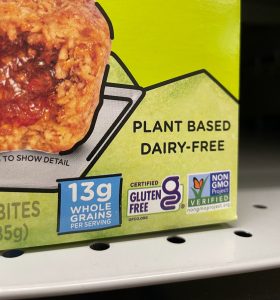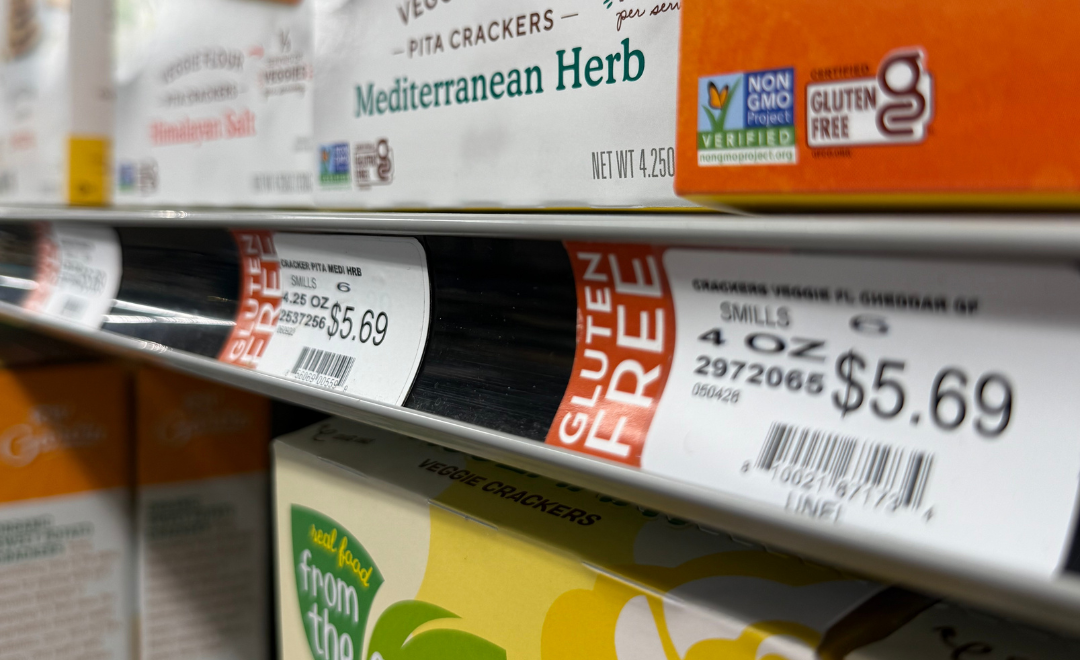
Gluten-free foods have proliferated over the past decade, offering shoppers greater selection and ready access to certified, safe products with a low risk of cross-contamination. While an intentional choice for many, gluten-free certification is an important process that protects against serious health issues for some.
Oryana Community Co-op understands the dietary restrictions and choices our owners make, and providing gluten-free options is a priority in every aisle. Learn more about the health implications of gluten, how gluten-free foods are certified, and the advantages of a gluten-free diet for individuals with allergies or sensitivities.
What Is Gluten?
Gluten is a generalized term for a group of elastic proteins found in wheat, rye, and barley. The name itself is derived from the Latin word for “glue” due to the proteins’ binding and chewy texture. Gluten is a natural component of grains, but is often artificially extracted and added to processed and ultra-processed foods, such as soy sauce, dressings, and other products.
Gluten, Celiac Disease, and Sensitivities
Gluten is harmless for most people and has no impact on digestive health or nutrient absorption. For others, particularly those with autoimmune disorders or wheat allergies, consuming gluten triggers serious reactions.
- Celiac Disease: An autoimmune disorder wherein gluten damages the small intestine. Individuals with Celiac Disease must avoid gluten entirely. Approximately 1% of the global population has a Celiac Disease diagnosis. Still, experts believe many others are undiagnosed, as much as 83% of all individuals with the disease may never be diagnosed.
- Gluten Sensitivity: Some individuals experience gas, stomach pain, and bloating after consuming gluten but don’t exhibit small-intestinal damage associated with Celiac disease.
It’s important to note that gluten isn’t “bad.” It’s a natural component of grain that can cause uncomfortable and sometimes serious health effects in certain individuals.
Common Sources of Gluten
Gluten is commonly found in a wide range of products derived from wheat, barley, or rye, including:
- Bread
- Cakes
- Cereal
- Cookies
- Donuts
- Muffins
- Pasta
- Pancakes
- Waffles
You’ll also find gluten in sauces and dressings thickened with wheat-based ingredients, such as soy sauce and gravy, as well as in many salad dressings.
Hidden Sources of Gluten
Even products without clear wheat, rye, or barley ingredients can contain wheat. You’ll often find gluten in processed meats like hot dogs, deli meats, and even meat alternatives. Soups tend to have gluten, too, usually from wheat flour as a thickener.
What Is Gluten-Free?
As the name suggests, gluten-free refers to dietary or food products that exclude gluten, typically by omitting wheat, barley, or rye flour. There are several types of gluten-free foods, including:
- Naturally gluten-free
- Gluten-free processing, or a food that specifically doesn’t use gluten-containing ingredients
- Foods with a gluten-containing ingredient that has been processed to remove gluten
Wheat byproducts are also used in many dietary supplements and pharmaceutical applications, usually as inactive ingredients. They’re often listed as an excipient, such as wheat starch.
The Advantages of a Gluten-free Diet
For individuals with Celiac Disease, following a gluten-free diet is essential. For individuals with sensitivity, it offers several benefits, including improved nutrient absorption, reduced bloating, and less pain or fatigue.
If you don’t have a gluten-related disorder, however, there is no proven health benefit. Because it requires significant dietary changes, such as reducing intake of breads, pastries, and other high-carb and often high-sugar foods, some individuals experience weight loss and lower blood sugar levels as a result.
Always consult a health care professional before making any significant changes.
Read More: The Rise of the Non-GMO Movement
The Gluten-free Certification Process
Individuals with Celiac Disease or gluten sensitivity rely on clear food labeling and a robust gluten-free certification program to protect their health.
Gluten-free certifications are primarily offered by third-party organizations. The largest third-party verification organizations are:
- Gluten-Free Certification Organization (GFCO), the largest certifier in North America, requires all products that use its logo to test at or below 10 parts per million (ppm), which is below the FDA’s 20 ppm floor. The The
- Gluten-Free Food Program (GFFP) is even stricter, requiring products to test at or below 5 ppm.
- Celiac Support Association (CSA) allows a minimum of 5 ppm, and products cannot contain oats.
- NSF International: The international benchmark, NSF meets FDA requirements and typically includes its gluten-free certification as part of other certification verifications, such as organic or fair trade.
Gluten-free Regulation in the US
In the United States, all gluten-free claims and labeling are entirely voluntary, but the Food and Drug Administration (FDA) requires that any product making such claims contain less than 20 ppm of gluten. If a food manufacturer or the product packaging claims to be “gluten-free,” “free of gluten,” “no gluten,” or “without gluten,” its gluten content cannot exceed the 20-ppm limit.
That said, the FDA does not endorse or require third-party certification, nor does it require pre-market approval to use the claim. Additionally, the FDA doesn’t apply its 20-ppm threshold to meat, poultry, eggs, or some alcoholic beverages. That’s because these foods fall under the jurisdiction of the US Department of Agriculture (USDA) and the Tobacco Tax and Trade Bureau (TTB).
The Popularity of the Gluten-Free Diet
The rise of gluten-free food products has been largely beneficial to individuals with a real need for certified options. As more manufacturers offer gluten-free snacks, meals, and dietary products, individuals with Celiac Disease or sensitivities enjoy a significantly broader selection, many of which are also organic and non-GMO.
The gluten-free foods market in the US is expected to double between 2022 and 2032, driven by increased concern over food allergies and intolerances. The growth is largely generational, with 11% of millennials and nearly as many Gen Z consumers avoiding gluten, despite only 1% of the US population having a Celiac diagnosis.
Ultimately, the prevalence of certified products is a relief for many and allows more consumers to make informed decisions about their diet and overall health.
Shop Gluten-Free Foods at Oryana Community Co-op
Oryana is committed to providing quality, nourishing foods for our community. With hundreds of gluten-free foods available and a thorough understanding of the certification process, our team empowers shoppers to choose foods that align with their needs and values. Learn more about our philosophy and subscribe to our newsletter for more insightful articles, fun recipes, and community events!