Ultra-processed foods are a pervasive component of today’s shopping experience. These highly processed foods own shelf space in most aisles of a conventional grocery store, despite posing adverse health risks for most consumers. Third-party organizations and governmental agencies like the US Food and Drug Administration are actively researching the impact of ultra processed foods on children and adults.
If you’re looking to limit your intake of ultra processed foods (UPFs), start here.
What Are Ultra-Processed Foods?
Ultra-processed foods are industrial food formulations created by breaking down whole food components into starches, added sugars, fats, and introducing additives like artificial flavors and preservatives.
What Makes a Food “Ultra-Processed”?
UPFs were originally defined in the Nova food classification system, when categories consumers food products into four categories based on the degree to which they are processed.
Those categories are:
- Unprocessed foods, like raw fruits and veggies
- Processed ingredients, such as salt, olive oil, and butter
- Processed foods, like jam, pickles, canned fruit or vegetables
- Ultra-processed foods, including oatmeal, crackers, energy drinks, and a whole lot more
A good way to think of ultra-processed foods is that they contain at least one (and usually many more) ingredient that you wouldn’t have handy in your kitchen. The chemical additives found in ultra-processed foods often fall into a few categories, such as:
- Preservatives
- Emulsifiers
- Sweeteners
- Artificial colors and flavorings
The manufacturing process also defines UPF and often include practices like pre-frying, molding, or extrusion, all of which chemically alter food to the point that the end product no longer resembles the original ingredients.
Ultra-Processed Foods Are Extremely Common
UPFs are everywhere. In the US, nearly 75% of the food supply is ultra-processed, and it’s the average person’s largest source of calories.
- More than 50% of calories consumed by the average US adult are ultra-processed
- More than 60% of calories consumed by the average US child are ultra-processed
That is alarming, but it is important to remember that not all UPFs are created equal, and many are considered healthy (think oatmeal or bread). Baked beans, for example, qualify as a UPF but improve digestive health, lower cholesterol, and stabilize blood sugar levels. Many dairy alternatives, including almond milk, can be a net positive for many consumers as well.
Read More: The Rise of the Non-GMO Movement
Examples of “Junk Food” UPFs
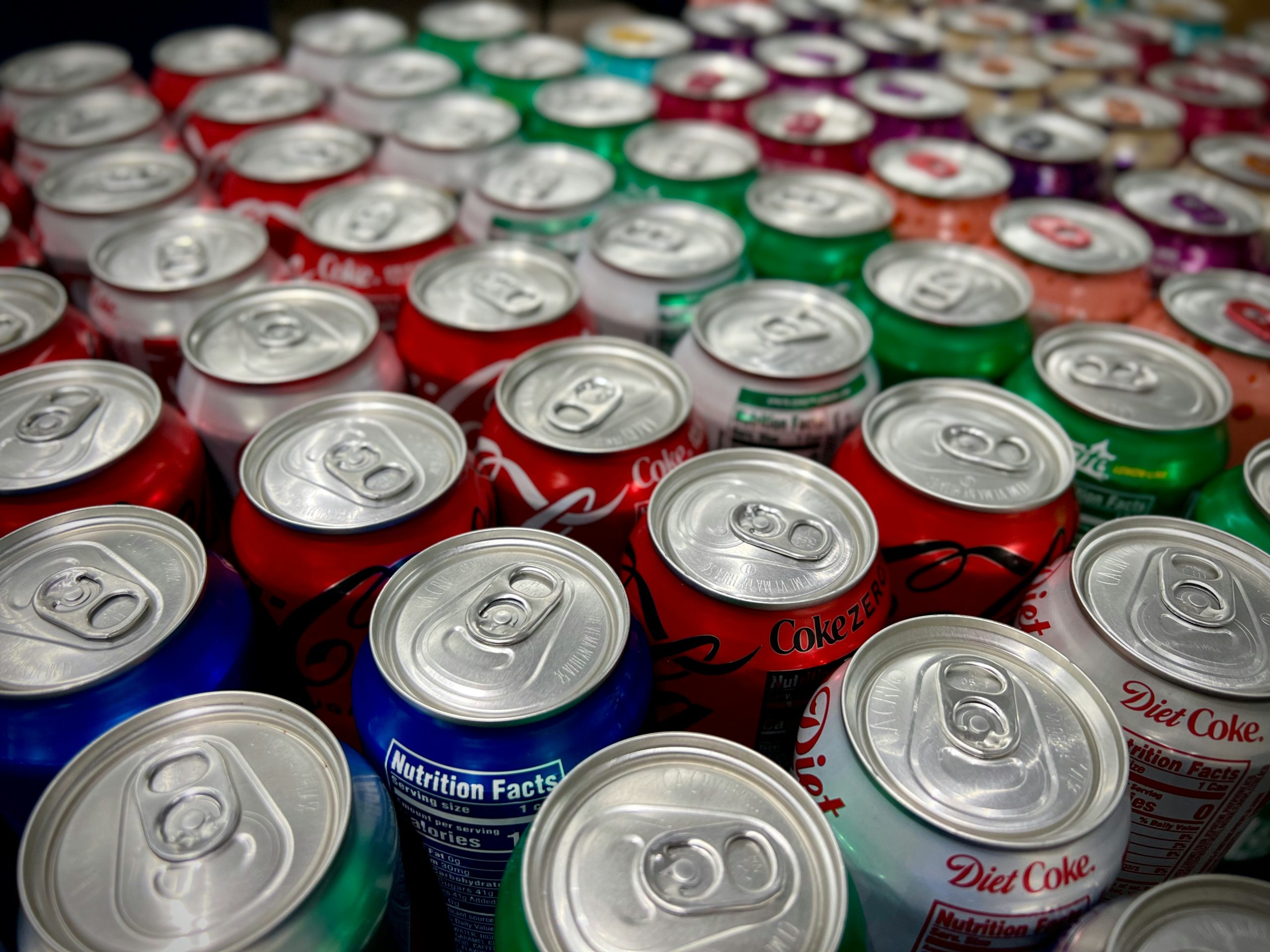
The real risk of eating ultra-processed foods comes from heavily processed products like soda, chips, crackers, frozen meals, and deli meats.
“Junk food” UPFs are engineered to leverage the body’s natural appetite for macros like sugar, salt, and fat content to stimulate a reward system that makes it difficult to stop eating.
The result is well-studied. Consumers tend to eat more UPFs, often at a faster rate than less processed foods. This leads to increased consumption of products that also have more calories due to their fat and sugar content. Advertising jingles like “Once you pop you can’t stop” are both catchy and the real-life result of ultra-processed foods.
The Health Risks of Ultra-Processed Foods
There is a significant body of evidence linking the intake of ultra-processed foods with negative health outcomes. A review of 45 meta-analyses that covered over 10 million people linked UPF-centered diets with at least 32 health conditions.
Certain types of ultra-processed foods have also been linked to specific health risks, including:
- Ultra-processed meats have been linked to an increased risk of colorectal cancer.
- Soda is closely associated with obesity, heart disease, and type 2 diabetes.
Non-Ultraprocessed Foods: Labeling and Marketing
Similar to vaguely-defined marketing terms like “clean” and “natural”, increased awareness of ultraprocessed foods has already led to new certification and labeling practices. Third-party certification, of which the Non-GMO Project is just one example, offers consumers some confidence, but non-standardized assessments remain an issue.
To date, there are three new non-ultra-processed certification labels:
- The Non-UPF Program offers “Non-UPF Certified” labels
- The Non-GMO Project released a new “Non-UPF Verified” label to pair with its non-GMO certification program
- WISEcode, a data company offering mobile food product scanning, has a “Non-UPF Verified” label
These three non-UPF programs define UPF and non-UPF foods differently, particularly regarding which processing methods and additives aren’t considered UPF. Importantly, the Non-UPF Program specifically endeavors to follow the Nova classification system, which was developed by Brazilian researchers and which is considered the closest thing the food industry has to a clear definition.
Perhaps tellingly, the Non-GMO Project does not mention the Nova system at all, saying it relies on standard approaches to ingredient integrity and formulation, as well as processing limits. This allows for a broader-based eligibility compared to the Non-UPF Program’s standards.
Non-UPF labels will only increase in popularity as consumer awareness of UPF grows – and it’s growing quickly. 44% of US adults said they were familiar with the term “ultra-processed foods” in 2025, up from 32% in 2024. After a dozen states passed laws restricting UPFs in school lunch programs, banning additives commonly found in UPFs, or addressing UPFs in some other way, the prevalence of non-UPF labels will accelerate. That’s despite the USDA and FDA failing to formally define ultra-processed in a 2026 white paper.
How to Avoid Ultra-Processed Foods
Remember that many UPFs are not serious causes of concern, but avoiding some high-risk options may reduce negative outcomes. There are a few ways to reduce your household’s consumption of ultra-processed foods without relying entirely on third party non-UPF labeling.
Here are some of our favorite tips to get started:
- Spend time reading labels. If the product includes preservatives (“sodium” is a word to watch), emulsifiers, thickeners, or artificial colors, look for a less processed alternative.
- Avoid deli meats like packaged ham, turkey, and other products, which are considered high-risk.
- Avoid sugary drinks and choose water instead.
- Replace canned fruits and vegetables with frozen or fresh alternatives.
- When possible, make homemade versions of processed foods, like healthier muffins or chips.
- Keep fresh food in the house to reduce the urge to grab chips, crackers, or granola bars.
Talk to your healthcare provider about your diet and follow their recommendations based on your health, budget, and food preferences.
Eat Well with Oryana Community Co-op
Joining your local food cooperative is a smart way to discover nutritious, sustainable, and local food options. Co-ops like Oryana prioritize quality products, including hundreds of USDA-certified products, as well as options that are GMO-free, Fair Trade certified, and more! Join our co-op today, and subscribe to our newsletter for recipes, community updates, and news you can feel good about.


