Artificial food dyes have been an integral part of commercial food products for decades, lifting sales across a range of categories. While synthetic food colorings in breakfast cereals, candy, and other goods make headlines, food dyes are used in many more products than most consumers realize.
What Are Artificial Food Dyes?
Also known as synthetic food colorings, artificial food dyes are chemical additives used to brighten, enhance, or standardize food, beverages, and medications. Most synthetic food dyes are derived from petroleum products, which raises immediate concern among many consumers.
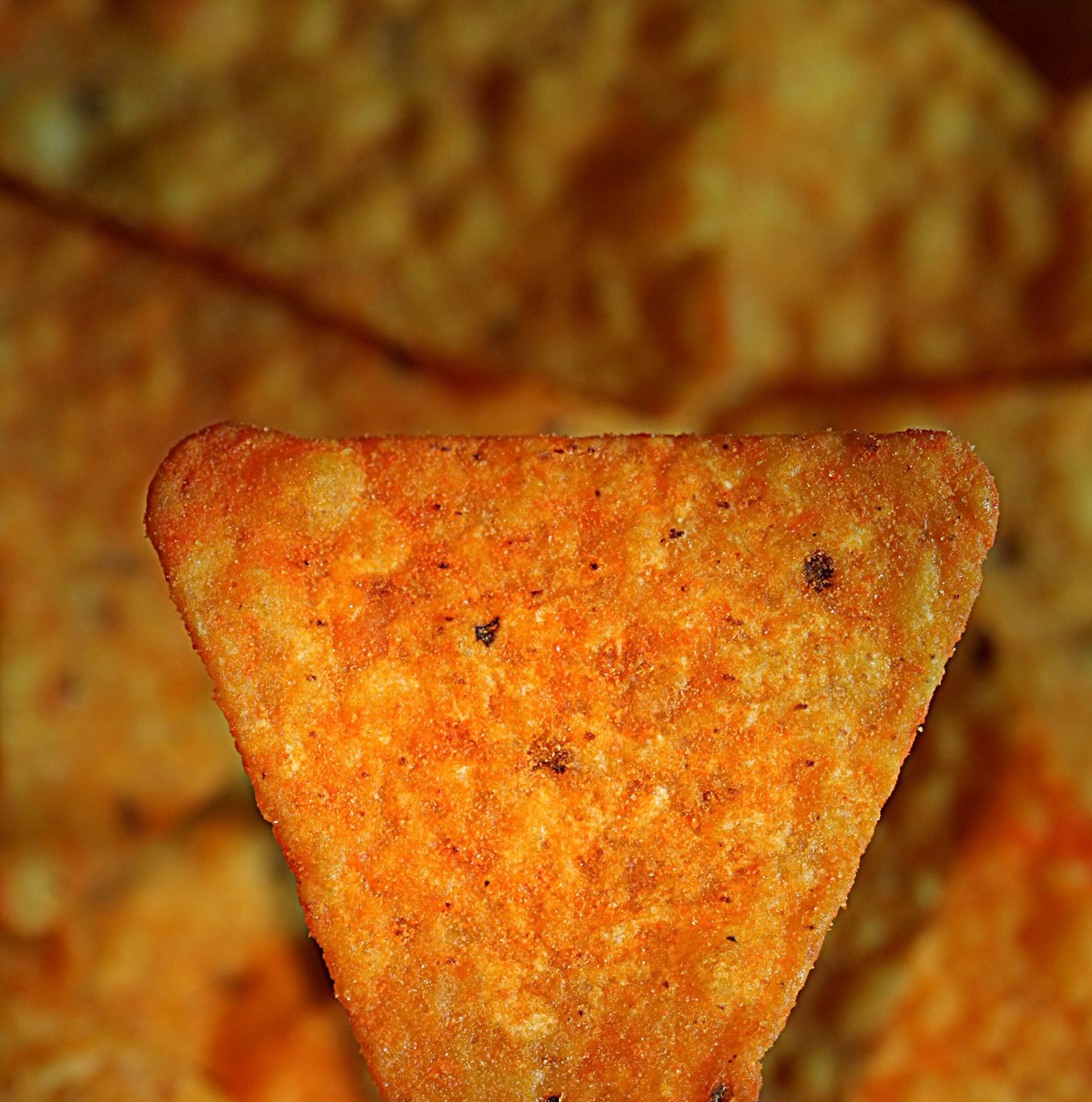
Synthetic food dyes enhance visual appeal by making colors in processed foods more vibrant and consistent across batches. The most common foods that use artificial colors include:
- Breakfast cereals
- Baked goods
- Sports drinks
- Candy
- Chips
- Snacks (many derived from fruits)
Examples of Artificial Food Dyes
The FDA regulates the use of artificial dyes under several names. Some of the most common synthetic additives include:
- Red No. 40: Found in cereals, sports drinks, dairy products, and candy
- Yellow No. 5: Candy, cereal, condiments, baked goods
- Yellow No. 6: Cereal, candy, gelatin, dessert powders, crackers
- Blue No. 1: Frozen dairy, frostings, popsicles
Food colorings are used in almost every aisle of the traditional grocery store; you’ll find them in salad dressings and sauces, frozen foods and ketchup, snacks and yogurt. They’re even added to produce; Citrus Red No. 3, for example, is added to some conventional oranges to make the peel look more vibrant.
Are Artificial Food Dyes Safe to Eat?
The FDA has deemed food colors safe to eat when they are used in approved foods, within regulated amounts, and properly identified on food labels.
The FDA must approve all food colorings before they can be used in food, drugs, or cosmetic products. There are only 9 FDA-approved food colorings, and they have to be tested and certified by the batch. Natural food colorings are exempt from the batch certification process but still require FDA approval.
Health Risks of Artificial Food Dyes
The FDA maintains that synthetic food dyes are safe to consume, but there is some evidence that artificial colors may contribute to neurobehavioral issues in young children. Further research indicates artificial dyes may also cause allergic reactions and increase the risk of cancer.
Does Red Dye Affect Behavior?
There is a growing body of evidence linking Red Dye 40 with hyperactivity in children, often expressed as inattentiveness and mood volatility. There is no evidence that dyes cause ADHD, but they appear to exacerbate symptoms in some children.
Food Dyes and Allergies
Synthetic dyes may trigger allergic reactions, especially in individuals with a hypersensitive response. These reactions can show up in many ways, from skin rashes to asthma flare-ups.
Artificial Colors and Cancer
There is a clear body of evidence linking dyes like Red Dye No. 3 to thyroid cancer in animal studies. Others haven’t been linked to cancer themselves but have been shown to consistently contain trace amounts of known carcinogens.
Consumer concerns and impeding regulatory deadlines have pushed manufacturers to reformulate products to remove colors, an effort which has certainly generated plenty of headlines.
Related: Are Artificial Sweeteners Safe?
Banning Food Dyes: Will It Ever Happen?
Banning artificial colors has been a long process and, until recently, has seen little progress. In 2025, the FDA revoked its authorization for Red Dye No. 3, though it gave manufacturers a multi-year window to reformulate commercially available products. At around the same time, it also planned to lower allowed limits for other dyes, including Red 40 and Yellow 5.
Food color bans have been more successful at the state level. California and West Virginia successfully banned synthetic food dyes from all public school meals, and more states are expected to take similar action.
The EU has much stricter precautionary standards for food dyes, and it requires warning labels on any product that contains certain dyes.
Until more robust regulations are in place, consumers ultimately decide which artificial colors to avoid. Check food labels to see if they list artificial colors (or flavors), and talk to your healthcare provider for more advice.
Shop with Confidence at Oryana
One of Oryana’s top priorities is sourcing and stocking food products with clear, transparent ingredients. We always put organic products first and strive to avoid foods reliant on additives like artificial colors or sweeteners whenever possible. If you have any questions about our buying standards, contact our staff. Stay in the know by subscribing to our newsletter, and consider becoming an owner today!