The Budget-Friendly Grocery List for Your Weekly Meal Plan
The typical grocery list includes many of the daily staples every household needs to get by: eggs, milk, bread, and cookies (right?). If you’re keeping closer tabs on your grocery budget right now, creating a weekly meal plan is a smart way to save money, reduce food waste, and be more intentional with your food spending.
We put together a basic grocery shopping list based on actual consumer data and paired every item with a product we stock. Then, we put together a weekly meal plan using those products and ingredients, all for just $150 a week.
What Does the Average Grocery List Look Like?
We used USDA commodity data ( and a bit of common sense) to build an average grocery list for a family of four.
- Produce: Bananas, Russet potatoes, Gala apples, spinach mix, avocados, strawberries
- Canned/frozen: Green beans, Great Northern beans, black beans, peas and carrots
- Meat: Ground beef, chicken breasts, eggs, pork chops
- Dairy: 2% milk, Greek yogurt, salted butter
- Bakery: Sliced bread, nut butter, cooking spray, pasta, pasta sauce
- Other: Potato chips, sparkling water, cereal, rice, oatmeal, honey, cheese sticks, granola bars, fruit snacks
Midwest Additions
Statistically, Midwest households spend significantly more on some items than other regions, including:
- Tea and coffee
- Sausages and hot dogs (what a surprise)
- Frozen meals
- Tortilla chips and salsa
We have endeavored to lean into these regional taste preferences with our list – and also because we love these foods, too! Remember, any good grocery list needs to suit your tastes, so adjust amounts and swap out any items you know you won’t use with similarly priced alternatives.
Download Your Grocery List and Meal Plan
Your Affordable Grocery List at Oryana Community Co-op
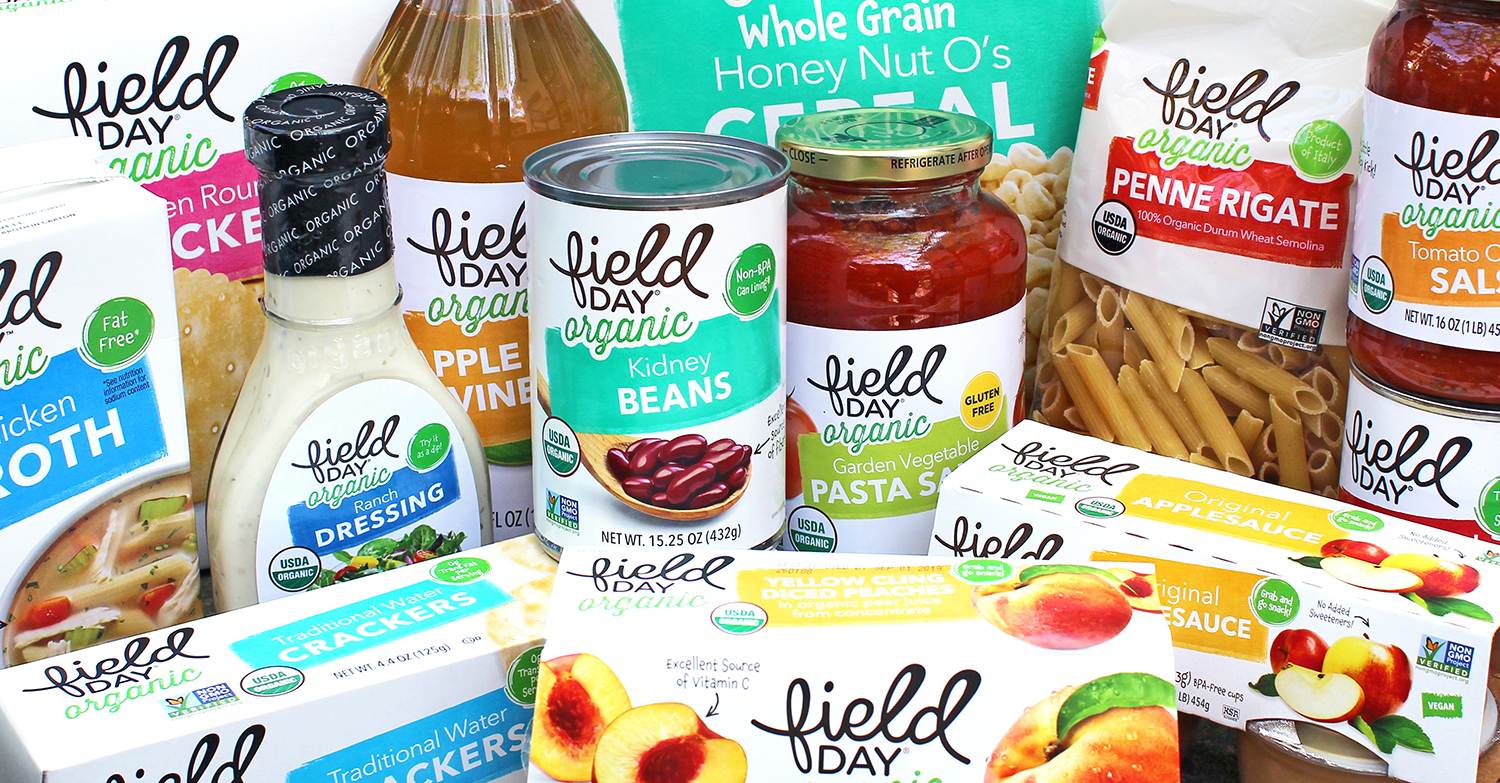
A few quick notes on this list. First, we only chose organic produce. Next, most of the grocery items, including the beans, cereal, and cereal bars, are Field Day, Oryana’s in-house brand. Finally, we skipped other proteins aside from chicken. If you eat ground beef, for example, expect another $8-15 or so on your list!
| Item | Price |
| Apples Gala Organic | $5.99 |
| Spinach Eb Organic 5oz | $3.99 |
| Strawberries Organic 1lb | $4.00 |
| Beans Great Northern Organic | $1.49 |
| Beans Black Organic | $1.49 |
| Beans Green Cut Organic | $1.99 |
| Cereal Honey Nut Os Organic | $3.99 |
| Oatmeal Instant Maple Brown Sug Organic | $3.99 |
| Cereal Bars Strawberry 6/1.3 | $2.99 |
| Rice Brown Long Grain Organic 32 | $4.99 |
| Chips Potato Sea Salt 6 Oz | $3.50 |
| Pasta Penne Brown Rice Organic | $2.99 |
| Pasta Sauce Rstd Garlic Organic | $3.49 |
| Sparkling Water Lime (12 pack) | $5.99 |
| Bottle Deposit | $1.20 |
| Markdown | -$2.00 |
| Almond Milk Original | $3.49 |
| Peanut Butter Smooth | $4.79 |
| Frozen Veg California Blend Organic | $4.39 |
| Chicken Breast Boneless Skinless | $6.29 |
| Eggs Large Grade A 1 Dozen | $4.49 |
| Yogurt Low Fat Vanilla | $4.99 |
| Vegan Butter | $4.99 |
| Bread Og3 Squirrelly 21 Oz | $5.39 |
| Bananas | $2.29 |
| Russet Potatoes | $5.49 |
| Totals Summary | |
| Description | Amount |
| Net Sales | $96.68 |
| Bottle Deposit | $1.20 |
| TOTAL SALES | $97.88 |
| SUB TOTAL | $96.65 |
Your Seven-Day Meal Plan
We put all those goodies into a day-by-day meal plan for a full week! Note that we took the list above is designed for one person; the following meal plan for two comes out to about $150!
Here’s what it looks like:
Day 1
- Breakfast: Honey Nut cereal with almond milk, sliced banana
- Lunch: Peanut butter & banana sandwiches on Squirrelly bread + a small side of potato chips
- Dinner: Baked chicken breast (spices + cooking spray), roasted russet potatoes, sautéed green beans
- Snack: Strawberry cereal bars
Day 2
- Breakfast: Instant maple brown sugar oatmeal with sliced strawberries
- Lunch: Leftover chicken breast and roasted potatoes over fresh spinach
- Dinner: Brown rice penne with roasted garlic pasta sauce, California blend veggies stirred in
- Snack: Sparkling water + a banana
Day 3
- Breakfast: Scrambled eggs, toast with vegan butter
- Lunch: Cold leftover penne pasta tossed with spinach and a drizzle of extra sauce
- Dinner: Great Northern bean and brown rice bowl with sautéed spinach and spices
- Snack: Strawberry cereal bars
Day 4
- Breakfast: Honey Nut cereal with almond milk, sliced apple
- Lunch: Leftover bean and rice bowl with spinach
- Dinner: Chicken breast stir-fry (spices + cooking spray) with California blend veggies over brown rice
- Snack: Sparkling water + remaining potato chips
Day 5
- Breakfast: Yogurt with sliced strawberries
- Lunch: Leftover chicken and veggie stir-fry
- Dinner: Black bean and brown rice skillet with sautéed spinach and spices
- Snack: Sliced apple with peanut butter
Day 6
- Breakfast: Eggs, toast with vegan butter, banana on the side
- Lunch: Leftover black bean and rice bowl
- Dinner: Brown rice penne with roasted garlic sauce, side of green beans
- Snack: Yogurt with a sliced apple
Day 7
- Breakfast: Instant oatmeal with sliced banana
- Lunch: Peanut butter sandwiches on remaining bread + apple slices
- Dinner: Baked chicken breast, sautéed spinach, remaining green beans and rice on the side
- Snack: Sparkling water + any remaining cereal bars
Of course, you can swap out chicken for pork chops, skip the sparkling water or avocados – make it your own. This list keeps you right around $150 per week for a single person. You can increase amounts accordingly to cover larger families and stay under $1,200 per month for a family of four.
How to Set a Grocery Budget
Every household has to balance its grocery needs and priorities with other expenses. Most Americans spend between 5% and 15% of their monthly income on food, including dining out. Groceries typically account for 5% to 10% of all food expenses. Of course, there are variables.
- Lower-income households spend more on groceries than higher-income households because income is much more variable than nutritional needs.
- Larger families tend to spend more than smaller ones.
- Households with teenagers spend more on groceries, though those expenses often decline as kids leave the home.
According to the USDA, most individuals spend roughly $300 to $580 per person, per month. A family of four will spend roughly $800 to $1,200 on groceries any given month.
More Grocery Budget Tips
Grocery prices have increased nearly 30% since 2020, with more than a third of that increase occurring in 2022 alone. It’s no wonder shoppers are looking for ways to lower their food at home while also eating out less and spending more time focused on ingredients and quality.
Here’s how to shop smart for groceries whether you’re buying for a full house or just yourself!
Start meal planning weekly. When you know what you need, you know what to buy. Linking purchases to specific meals with a plan helps, and you can always change up the schedule as needed. Meal planning is also a great way to reduce food waste, too!
Shop deals. Before you hit the store, check our Fresh Deals (weekly deals) and Co-op Deals (bi-monthly deals on hundreds of items) for your favorites! You’ll also find coupons and other promotional offers on store shelves.
Buy only what you need. Avoid grabbing impulsive items you may not use or like. If you do like to explore new flavors, add that as a wild card to your grocery list and limit it to one affordable item per week.
Buy bulk (when it makes sense). Shop our bulk department for oats, spices, and other items to save money. You can also pre-order items by the case – and owners save 20%!
Support local. There is price, and then there is value. In many cases, local products only cost a few cents more. Choose a product or two that you really care about and invest in local agriculture by supporting local.
We hope these tips for grocery shopping on a budget help your family make ends meet without sacrificing quality and nutrition!
Download your grocery list and 7-day meal plan and shop the co-op with confidence!
Groceries You Can Feel Good About
Shopping at your local food co-op is more price competitive than you might think! When you combine Fresh Deals, Co-op Deals, Co-op Basics, and owner discounts, Oryana is on par with most grocers, and you’ll be supporting nearly 200 employees, dozens of local farmers, our community’s most beloved non-profits, and your own peace of mind. Become an owner today and subscribe to our newsletter for weekly savings!
Field Day Organics
Annie’s Homegrown

Shop Fresh Deals and Co-op Deals Every Week!