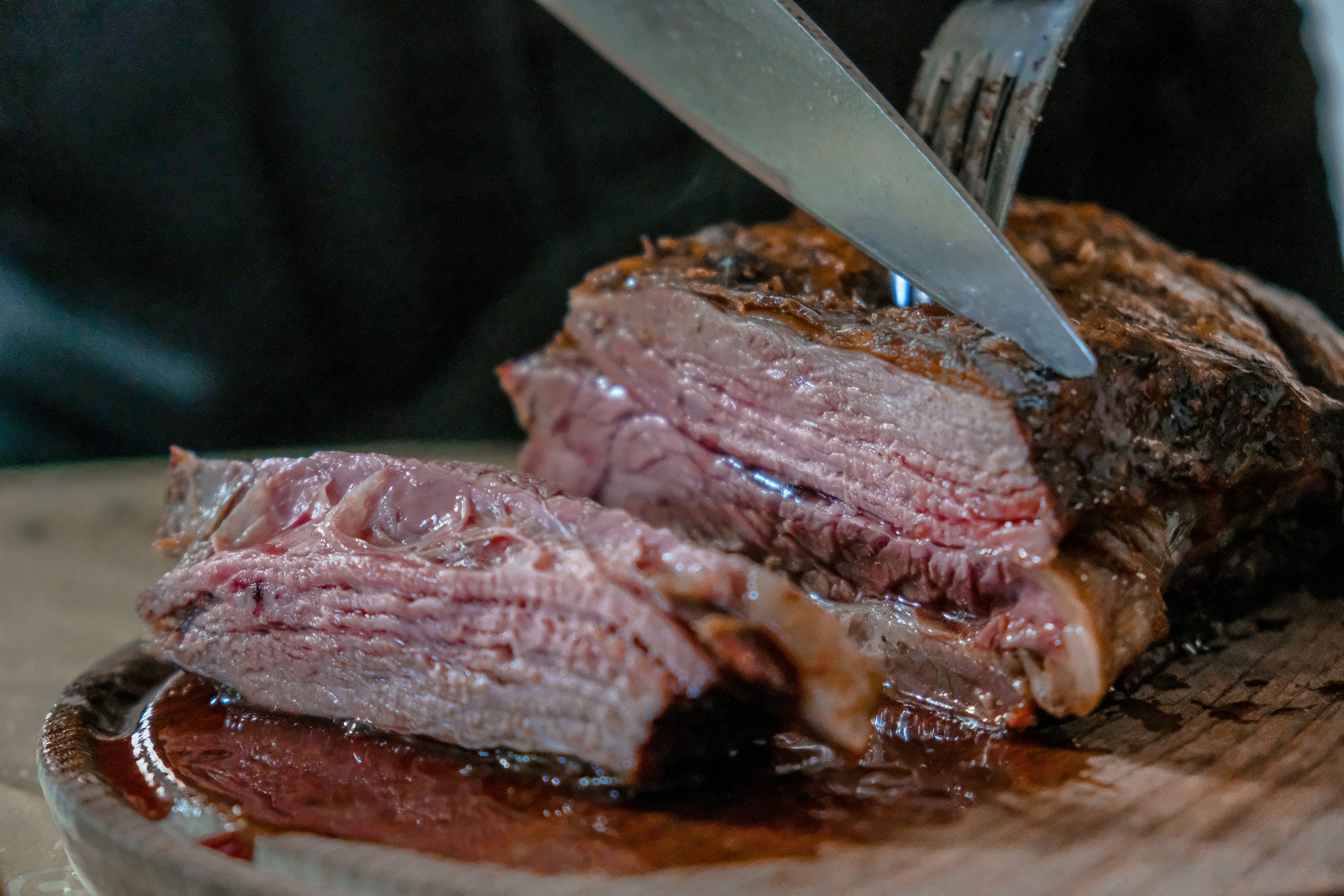
A beautifully cooked rib roast makes an impressive centerpiece for holiday gatherings, special occasions, or a memorable Sunday dinner. Known for its rich flavor, tender texture, and beautiful marbling, this classic cut of beef doesn’t need much to shine. With a few simple seasonings, the right cooking temperature, and a little patience, you can prepare a delicious rib roast right in your own kitchen.
If you’ve ever wondered about the difference between prime rib and rib roast, how to choose the right cut, or the best way to prepare rib roast, we’re breaking down everything you need to know before you start cooking.
What Is a Rib Roast?
A rib roast is a large cut of beef taken from the rib section of the cow, the same area where ribeye steaks come from. It’s known for its generous marbling, which helps keep the meat juicy and flavorful as it cooks. Rib roasts are available bone-in or boneless, with bone-in varieties commonly referred to as standing rib roasts because the bones can serve as a natural roasting rack.
A whole standing rib roast typically contains seven ribs, although smaller portions are commonly sold for home cooking. The number of ribs you’ll need depends on how many people you’re serving. As a general guideline, plan for approximately one pound of bone-in rib roast per person, or a little less for a boneless roast.
Rib Roast vs. Prime Rib: What’s the Difference?
The terms prime rib and rib roast are often used interchangeably, and for good reason. Both come from the same section of beef. The main difference is how the terms are commonly used: rib roast refers to the cut of meat, while prime rib generally describes the prepared dish, traditionally roasted and served in thick slices.
Despite its name, prime rib doesn’t necessarily mean the beef is USDA Prime grade. Beef is graded based on factors such as marbling and maturity, with USDA Prime, Choice, and Select among the grades shoppers may encounter. USDA Prime beef has abundant marbling, while USDA Choice also offers excellent quality and tenderness, often at a more accessible price point.
When shopping for a rib roast, look for good marbling throughout the meat, as those small streaks of fat contribute to its flavor and tenderness during cooking.
How to Prepare a Rib Roast
The best way to prepare rib roast is to keep the seasoning simple and allow the natural flavor of the beef to take center stage. A combination of salt, black pepper, garlic, and fresh herbs creates a savory crust without overpowering the meat. Rosemary and thyme are especially delicious with beef, adding an aromatic touch that complements its rich flavor.
Before cooking, pat the roast dry with paper towels to help the exterior brown evenly. Season generously on all sides, then place the roast fat-side up in a roasting pan. For a bone-in standing rib roast, the bones can help elevate the meat during cooking. A boneless roast should be placed on a roasting rack to allow heat to circulate.
Simple Herb-Crusted Rib Roast Recipe
This classic oven-roasted rib roast recipe uses just a handful of ingredients to create a tender, flavorful main dish. Fresh herbs, garlic, and olive oil form a savory crust, while slow roasting helps the beef cook evenly.
Ingredients
- 1 bone-in rib roast (approximately 4–6 pounds)
- 2 tablespoons olive oil
- 4 cloves garlic, minced
- 2 tablespoons fresh rosemary, finely chopped
- 1 tablespoon fresh thyme, finely chopped
- 2 teaspoons kosher salt, or to taste
- 1 teaspoon freshly ground black pepper
Instructions
- Preheat the oven. Set your oven to 325°F and position a rack in the lower third of the oven.
- Prepare the roast. Pat the rib roast dry with paper towels. Place it bone-side down in a roasting pan, or on a rack if using a boneless roast.
- Make the herb mixture. In a small bowl, combine the olive oil, minced garlic, rosemary, thyme, salt, and black pepper. Mix until a paste forms.
- Season the beef. Rub the herb mixture evenly over the entire surface of the roast.
- Roast uncovered. Place the roast in the preheated oven and cook until a meat thermometer inserted into the thickest portion, away from the bone, registers 145°F for a USDA-recommended safe minimum temperature. Cooking time will vary depending on the size and shape of the roast.
- Let it rest. Remove the roast from the oven and loosely tent it with aluminum foil. Allow it to rest for 20–30 minutes before carving.
- Slice and serve. If using a bone-in roast, carefully remove the bones before slicing the beef against the grain. Serve warm with your favorite sides.
How Long to Cook Rib Roast in the Oven
One of the most common questions when preparing this cut of beef is how long to cook rib roast in the oven. Cooking time depends on the weight of the roast, whether it’s bone-in or boneless, and your oven’s temperature. At 325°F, a rib roast may take approximately 20–30 minutes per pound, although this is only a planning estimate.
Rather than relying on cooking time alone, use a meat thermometer to monitor the internal temperature. The USDA recommends cooking beef roasts to a minimum internal temperature of 145°F, followed by at least a three-minute rest. Keep in mind that the temperature can continue to rise slightly after the roast is removed from the oven, so monitoring it closely toward the end of cooking is important.
For the best results, roast the beef uncovered to allow the exterior to develop a flavorful crust. Resting the meat before slicing is equally important, as it allows the juices to redistribute throughout the roast.
What to Serve With Rib Roast
A rich, savory rib roast pairs beautifully with classic comfort foods and seasonal vegetables. Roasted potatoes, garlic mashed potatoes, sautéed green beans, and glazed carrots are all delicious accompaniments. For a traditional holiday meal, consider serving your rib roast with Yorkshire pudding, creamy horseradish sauce, or a simple pan jus made with the roast drippings.
Leftover rib roast is just as versatile. Thinly sliced beef makes a delicious addition to sandwiches, wraps, or hearty salads, giving you plenty of ways to enjoy the meal beyond the dinner table.
Keep Cookin’ with Oryana
Planning a holiday dinner or special gathering? Stop by either Oryana Community Co-op location in Traverse City to explore our meat department and pick up fresh herbs, seasonal vegetables, and everything else you’ll need to prepare a delicious rib roast. Looking for more inspiration in the kitchen? Sign up for Oryana’s email newsletters for recipes, seasonal inspiration, and the latest co-op news, or explore our upcoming cooking classes to discover new techniques and get creative with your next meal!


