The percentage of US adults taking GLP-1 agonist medications has increased dramatically in the past few years. The rising number of manufacturers and changes in insurance coverage have allowed as much as 15% of the adult population to have used the drugs at least once, and there’s every expectation that adoption will continue to rise.
Whether you’re researching your options or looking to find GLP-1-friendly meals, this handy guide is a great place to start.
What Are GLP-1 Medications?
GLP-1 drugs are a category of prescription drugs that use glucagon-like peptide-1 receptor agonists to better regulate blood sugar, curb appetite, and slow stomach digestion. Initially developed to treat diabetes, drugs like Ozempic and Mounjaro stimulate the pancreas to release insulin when blood sugar is high and suppress glucagon production.
Almost from their initial release, these drugs have been prescribed off-label to treat more than diabetes, with research showing positive results for weight management and addressing obesity. There is a growing body of evidence that GLP-1 drugs may also lower the risk of heart attacks and stroke, and may even treat kidney disease and sleep apnea.
The formulation of various medications varies slightly, but the most common types of GLP-1 drugs are:
- Ozempic, Rybelsus (semaglutide)
- Victoza (liraglutide)
- Mounjaro (tirzapatide)
- Trulicity (dulaglutide)
- Byetta (exenatide
These options are still primarily prescribed for Type 2 diabetes, while Wegovy, Zepbound, and Saxenda are considered high-dose options best suited for weight management.
The Health Benefits of GLP-1 Drugs
Beyond lowering blood sugar levels, GLP-1s have shown additional health benefits, including:
- Reduced risk of heart problems
- Improved kidney function
- Reduced liver fat and improved function
- Reduced joint pain and arthritis pain
- Improved sleep
- Quieter “food noise”, or less mental fixation on food
GLP-1 Health Risks
These drugs may not work on all individuals, and they are relatively new on the market. It’s hard to forecast all of the potential health outcomes of long-term GLP-1 use, which has some public health officials wary of its rapid adoption.
There are some established health risks from GLP-1 drugs, including:
- Gastrointestinal pain (nausea, diarrhea, constipation)
- Muscle loss
- Loss of facial fat
In most cases, GLP-1 symptoms fade after a few weeks, but not for everyone. Always follow dosage instructions closely, don’t skip meals, and tell your healthcare provider about any concerns.
What to Eat on GLP-1 Drugs
Drugs like Ozempic and Wegovy affect individuals differently, and foods that may cause no issues in one person may be unpalatable for another. Even eating can be difficult for some users, though it’s important to eat enough nutrient-dense foods to fuel your lifestyle.
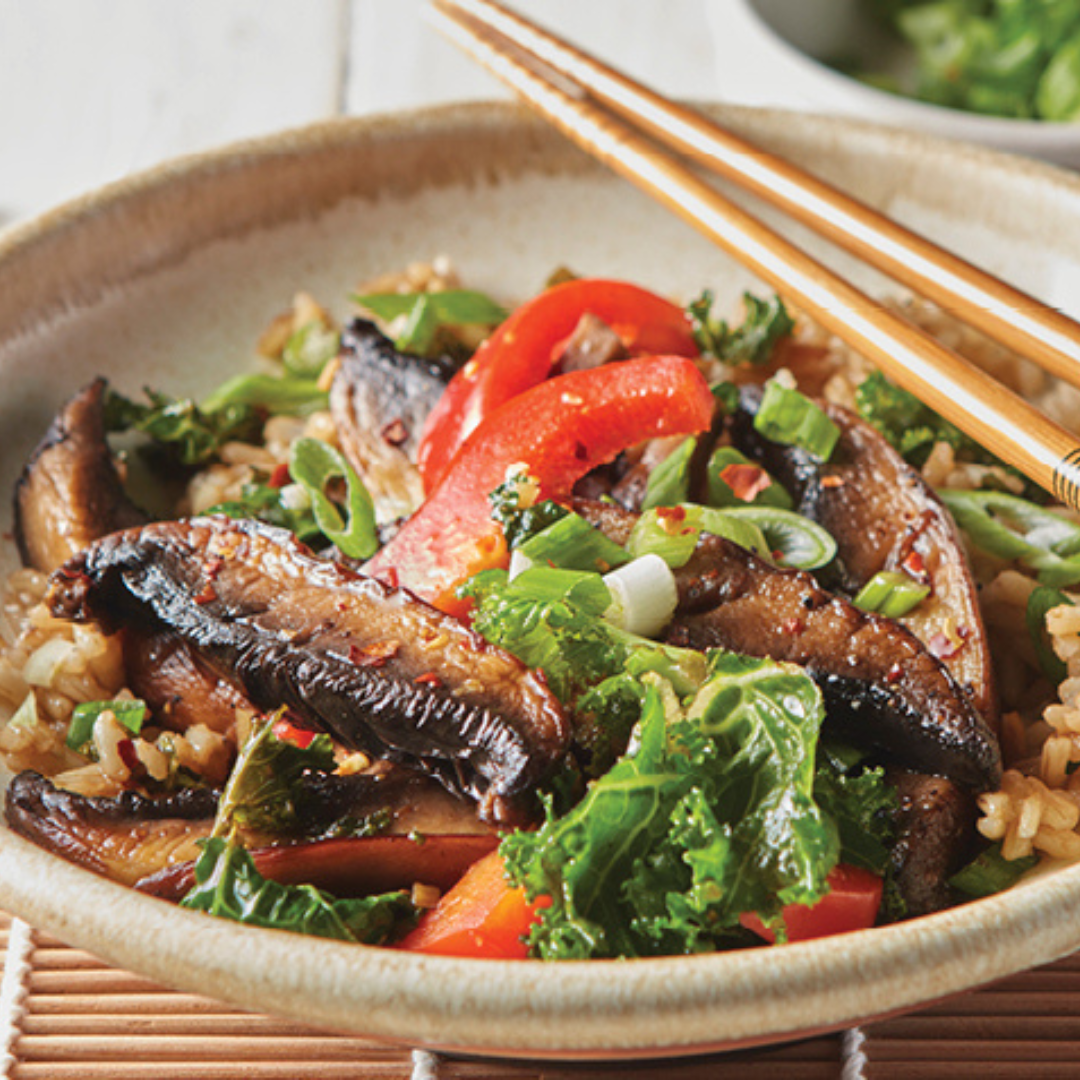
Try to eat more frequent, small meals while prioritizing the following foods:
Lean protein: Chicken breast, turkey, fish, eggs, Greek yogurt, tofu
Fiber-rich foods: Berries, apples, leafy greens, and lentils
Complex carbs: Oats, quinoa, brown rice, whole grain bread
Fats: Avocado, olive oil, nuts and seeds
There are several foods to avoid on GLP-1s, many of which may cause gastrointestinal stress when consumed.
Try to limit your intake of:
- Greasy foods: Pizza, French fries, hamburgers, cheese
- Sugary foods: Candy, cookies, pastries, ice cream, soda
- Alcoholic beverages and soda
Many of the worst side effects of GLP-1 drugs are linked to eating these types of food, but you may still feel discomfort even when following a GLP-1-friendly diet.
GLP-1 Food Labels
Several food manufacturers have introduced GLP-1-friendly food labels to market products specifically to GLP-1 users. These products may or may not have been reformulated to suit users of Ozempic or Wegovy, and it’s worth noting a few important facts.
They are not regulated. There is no formal, medically defined or regulated standard for “GLP-1 friendly”. The FDA allows the wording as long as it isn’t misleading.
It may only be a volume play. The meals themselves may be in smaller packages for smaller appetites; there may be no nutritional changes to the food at all.
It’s not necessarily healthy. Even when labels market to GLP-1 users, the food itself may not be more nutritious than other alternatives. The products may still have high levels of sodium or have less than the recommended amount of protein or fiber recommended by health experts and manufacturers.
Most importantly, nutritionists do not recommend specialty products for following a GLP-1 diet. Most recommend lean proteins, eggs, fruits, and vegetables; marketing claims don’t necessarily signal any nutritional superiority.
Related: Organic Food Certifications
GLP-1 Adoption
Driven by record-breaking advertising by GLP-1 brand names, as well as increased prescription rates by healthcare providers, the number of US adults taking GLP-1 drugs has increased rapidly. Roughly 11% of Americans currently take some kind of GLP-1 medication for weight loss, while 15% say they’ve at least tried a GLP-1. That’s up from just 3% in 2024.
Women are twice as likely as men to take a GLP-1 medication, with adults between the ages of 50 and 64 the most likely to have a prescription.
Long-term usage – and results – are surprisingly mixed. 56% of users stop using GLP-1s within a year, though some resume treatment if they regain any lost weight.
Choosing to use GLP-1 medications is a decision best left to patients and their healthcare provider.
Transparency Is a Priority at Oryana
Oryana is committed to providing everyone with ready access to quality, nutritious food. Whether you’re starting your GLP-1 journey or looking to make more intentional food choices, everyone is welcome at Oryana. Learn more about our mission and consider becoming an owner today.