Consumers do care how and where the products they buy were created or sourced. They are largely dependent on third-party certification programs to assess whether their coffee, chocolate, or other purchases are sourced responsibly, which is why fair trade certification is a vital part of earning and preserving consumer trust.
Learn more about the fair trade movement, the fair trade certification process, and how ethically sourcing impacts local and even global economies.
What Is Fair Trade?
Fair trade is usually defined as a global movement to prioritize people and the planet within trade networks. The fair trade movement includes a worldwide network of producers, companies, non-profits and, importantly, consumers, all of whom are dedicated to ensuring:
- Safe working conditions
- Environmental protection
- Sustainable livelihoods
- Community development
The Importance of Fair Trade Certification
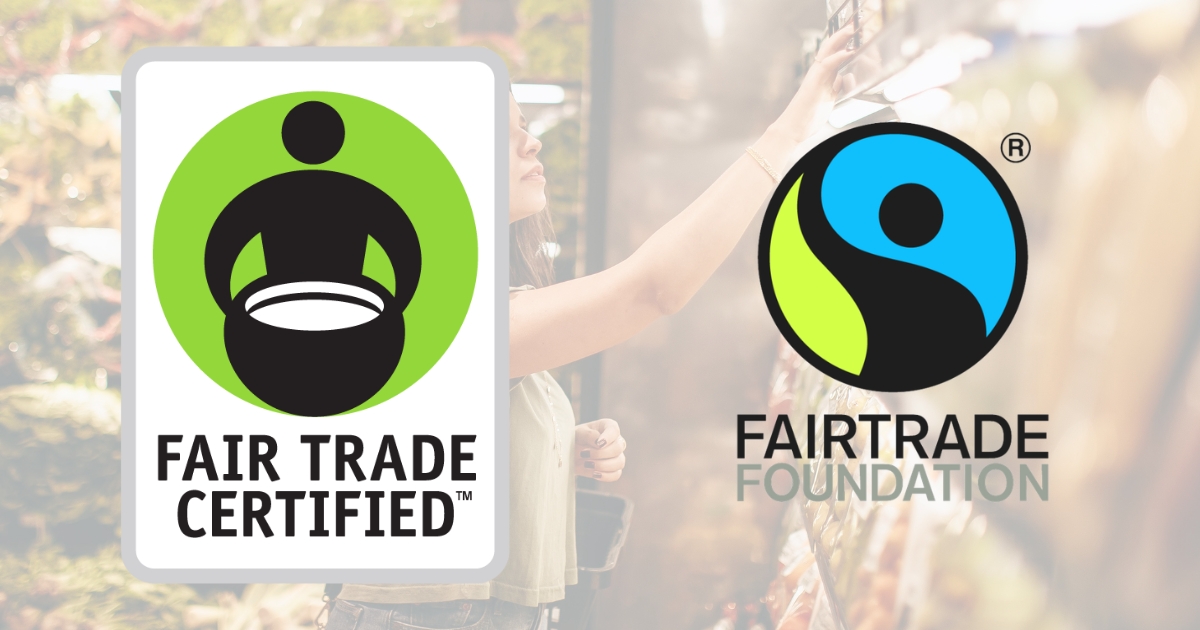
Companies, brands, and products that are fair trade certified earn the right to use the Fair Trade Certified label, informing consumers that the contents inside meet the program’s rigorous inspection process.
Using the label helps consumers identify products that were sourced in a way that provides farmers and producers with fair wages, safe working conditions, and that the brands invest in on-going community development.
Without strict control of the Fair Trade Certified logo, consumers wouldn’t be able to trust the brand or the product.
Read More: Organic Food Certifications (What to Know)
How to Get Fair Trade Certified
Trust is absolutely paramount, which is why getting Fair Trade certified is a detailed, often lengthy and expensive process. While there are same variations in the process depending on the goods and market, the certification process typically looks like this:
1. Choose Your Certifier
Depending on the target market, the brand will choose between Fair Trade USA or Fairtrade International.
- Fair Trade USA focuses on the North American market and covers a range of goods, including coffee, cocoa, and apparel.
- Fairtrade is the global standard, but it is more common in Europe, Southeast Asia, and markets outside the US.
2. Apply for Fair Trade Certification
Applicants submit a lengthy online application that includes detailed information about every aspect of their business, including their supply chain, facility, number of employees, and information about contractors, and ingredient sourcing.
That’s an important point for brands; they need to show that every ingredient or product they use is from producers that have already earned Fair Trade certification.
If the application is approved, applicants can handle Fair Trade goods until the full evaluation is complete.
3. The On-Site Audit
Initial approval triggers an on-site audit led by an independent auditor. This industry expert evaluates paperwork, inspects production and storage facilities, interviews employees, and assesses environmental standards.
Timing is also a factor. Inspectors usually try to schedule their audit during peak production season, so they have an accurate understanding of agricultural practices during the planting and/or harvesting seasons.
4. Certification
After the audit, the inspector returns the findings and allows the applicant to correct any issues. Once non-conformities are resolved, the applicant receives certification.
5. Using the Fair Trade Certification Logo
Only approved businesses can put the Fair Trade Mark on packaging. Brands have to sign a licensing agreement and have their artwork, packaging, and other marketing materials approved by their chosen certification body.
How Long Does Fair Trade Certification Take?
It usually takes between four and nine months to get Fair Trade Certified. The more ingredients and suppliers a brand has, the more paperwork and inspection the auditor must complete before delivering their findings. Certification usually takes longer for agricultural producers, since auditors almost always schedule their on-site visits for peak harvest season, or when at least half the workforce is present.
Is Fair Trade Certified Legitimate?
Consumers can trust that fair trade certified companies have undergone the rigorous auditing and inspection process, but it is important to do your homework.
- Always look for the official Fair Trade USA or Fairtrade International logos. Some questionable brands will use the term “fair trade”, often in lower case letters, without earning certification.
- Check to see if the product you’re researching is actually fair trade by using the Fair Trade USA Partner Directory. Oryana will also help you determine whether any product we carry is fair trade certified; just get in touch.
Fair Trade Growth Statistics: Positive Momentum
Fair trade market growth has enjoyed consistent year-over-year growth, including a notable 12.5% increase year-over-year in 2023.
- In the US, Fair Trade USA generated $96 million in direct financial impact (extra funding baked into retail prices, called the Fair Trade Impact Premium).
- Incomes in cocoa and coffee production have increased by 85% compared to past averages, especially in places like the Ivory Coast.
- More than 2,500 businesses in 145 countries are now certified.
A Benefit for All
Fair Trade certification is a positive investment in producers and economies, but it helps brands, too.
- 74% of consumers trust the Fair Trade Certified label
- Over a third of consumers say they are more likely to purchase a product that is Fair Trade Certified.
- For coffee brands, adding the Fair Trade Certified label drives an average 3.3% increase in sales within six months.
Shop With a Purpose at Oryana
Oryana Community Co-op is dedicated to bringing a wide selection of Fair Trade Certified products home to northern Michigan. We work with leading suppliers and distributors to combine value with quality, sustainability with flavor, giving our community access to food they can feel good about. Learn more about our values, and subscribe to our newsletter for recipes, community events, and insightful stories from around the world and down the street!