
From skincare products and collagen powders to fitness conversations and wellness podcasts, peptides have become one of the most talked-about topics in modern wellness. But what exactly are peptides, and why are so many people suddenly interested in them?
At Oryana Community Co-op, we believe informed wellness starts with education. Here’s a beginner-friendly guide to understanding peptides, the different types available today, and why they’ve become part of so many wellness conversations.
What Are Peptides?
Peptides are short chains of amino acids, the compounds often referred to as the building blocks of protein. Your body naturally produces peptides, and they play a role in many biological functions. You can also find peptides naturally in foods and wellness products, especially collagen-based supplements and certain skincare formulations.
In simple terms:
- Amino acids are individual building blocks
- Peptides are short chains of amino acids
- Proteins are longer, more complex amino acid chains
Because peptides are smaller than full proteins, they’re often discussed in conversations around nutrition, beauty routines, active lifestyles, and healthy aging.
What Do Peptides Do?
Peptides naturally exist throughout the body and are involved in many biological processes. Different peptides interact with the body in different ways, which is why the topic can quickly become complex.
In the wellness industry, peptides are commonly discussed in relation to:
- Skin appearance
- Active lifestyles and fitness recovery
- Hair and beauty routines
- Collagen support
- General wellness trends
It’s important to understand that not all peptides are the same, and experiences can vary widely depending on the product, ingredient source, and individual.
Peptides vs. Protein: What’s the Difference?
One of the most common questions shoppers ask is how peptides differ from proteins. According to the University of Queensland Institute for Molecular Bioscience, the short answer is size.
The easiest way to think about it:
- Proteins are long chains of amino acids
- Peptides are shorter chains of amino acids
Because peptides are smaller, they’re often described as easier for the body to absorb or utilize in certain contexts. Collagen peptides, for example, are commonly broken down into smaller pieces during processing.
You’ll often see peptides included in:
- Collagen powders
- Wellness beverages
- Protein blends
- Beauty-focused supplements
Peptides can also occur naturally in foods such as:
- Eggs
- Dairy products
- Legumes
- Meat and bone broth
- Fish and shellfish
- Soy
- Oats
- Flaxseed
- Hemp seeds
- Wheat
Benefits of Peptides
Interest in the potential benefits of peptides has grown rapidly alongside wellness trends centered around beauty, movement, fitness, nutrition, and aging. Conversations around peptides are commonly linked to skin health, wellness routines, active lifestyles, collagen support, beauty-focused nutrition, and fitness recovery. However, it’s important to approach wellness trends thoughtfully, as dietary supplements are not intended to diagnose, treat, cure, or prevent disease.
Are Peptides Steroids?
No. Peptides and steroids are not the same thing. Steroids are synthetic compounds designed to mimic certain hormones, while peptides are short chains of amino acids. That said, the internet often groups many performance and wellness products together, which can create confusion. Not all peptide products serve the same purpose, and the term “peptide” can refer to a very broad range of compounds used in different industries.
Best Peptide Brands: What to Look For
With so many peptide products now available, it can be helpful to focus less on hype and more on transparency.
When shopping for peptide supplements, consider looking for:
- Ingredient transparency
- Third-party testing
- Sourcing practices
- Brand reputation
- Clear labeling
- Realistic marketing claims
Our Wellness Category Managers’ Go-To Pick:
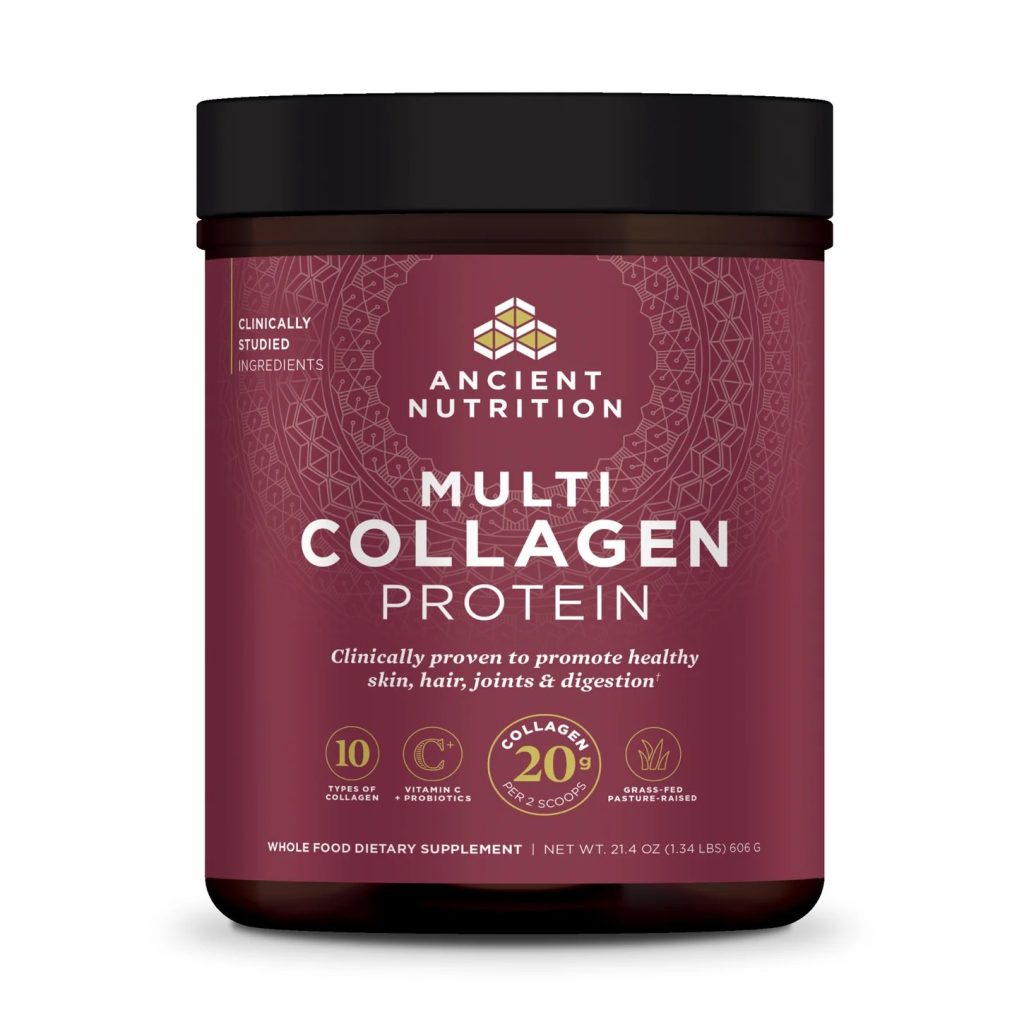
Rachel, our Wellness Category Manager, enjoys Ancient Nutrition’s Multi Collagen Protein, Multi Collagen Protein, available in the wellness aisle at Oryana Community Co-op. This collagen powder contains vitamin C, fermented eggshell membrane collagen, and SBO probiotics. It’s also non-GMO and made without grains, dairy, soy, or gluten. Many shoppers enjoy adding collagen powders to smoothies, coffee, or their everyday wellness routines. At Oryana, we encourage shoppers to ask questions, read labels carefully, and approach wellness trends with curiosity and critical thinking. Our wellness staff is always happy to help you explore products; get in touch to get your peptide questions answered!
*A Note About Dietary Supplements
Dietary supplements are regulated differently from pharmaceutical drugs under the Dietary Supplement Health and Education Act of 1994 (DSHEA).
This means dietary supplements are not intended to diagnose, treat, cure, or prevent any disease. Individual experiences may vary, and shoppers should consult a qualified healthcare provider with questions regarding personal health concerns, medications, or wellness goals.
*These statements have not been evaluated by the Food and Drug Administration.