Consumers have many options in today’s crowded marketplace, including accessing vendors online serving products from around the world. Even as tariffs and trade policy put unexpected kinks into supply chains, consumers continue to weigh the immediate cost-savings of imported products with the inherent advantages of shopping locally.
The Benefits of Local Economic Development
When you buy from your local food co-op, the local bike shop, or local farmers, you’re making an intentional choice to grow your local economy. By building lasting relationships with small business owners, you’re helping build vital economic resilience through sustainable supply chains, supporting local jobs, and keeping more dollars in the area.
A sustainable, resilient supply chain. Small businesses are much more likely to work with local vendors than national chains. Many national stores and franchises are contractually required to source the majority of their raw materials and supplies from a central distributor, one that is often hundreds or thousands of miles away from the store. This may sometimes lower input costs but leaves the franchisee and their customers exposed when raw material prices, energy prices, or other factors force them to pay more for their goods.
Centralized sourcing and production also contributes to price shocks, such as the rapid jump in egg prices caused by a bird flu outbreak and subsequent culling at industrialized farms. Local farming insulates communities from this type of market disruption. Because we rely primarily on local and regional farms, Oryana’s egg prices barely budged during the bird flu outbreak.
Finally, there are obvious environmental consequences of global and extra-regional supply chains. Transporting fruit and vegetables internationally contributes to over a third of all food-related emissions, adding to the already significant costs of energy-intensive temperature controls and long-term cold storage.
A strong local employment rate. While national brands get headlines for being massive employers, it’s important to remember that most Americans work for small businesses. Roughly 90% of net new jobs in the US are created by locally owned businesses. Under the Small Business Administration’s definition of a small business of employing 500 individuals or less, 62.3 million Americans work for a local business. These small businesses have an outsized impact, too; they generate 43.5% of total US GDP!
Building economic resilience. Put simply, dollars spent locally are much more likely to stay local. For every $100 spent at a small business, $68 stays within the community. That same $100 spent at a national chain leaves just $15 in the local economy. Your local dollars will circulate in the community two to four times more than those at a national or international company.
There are other economic advantages to supporting local worth considering, such as better roads and public services from increased tax revenue, more local charitable giving, and making your community a more attractive place to live, work, and play.
It All Starts on the Farm
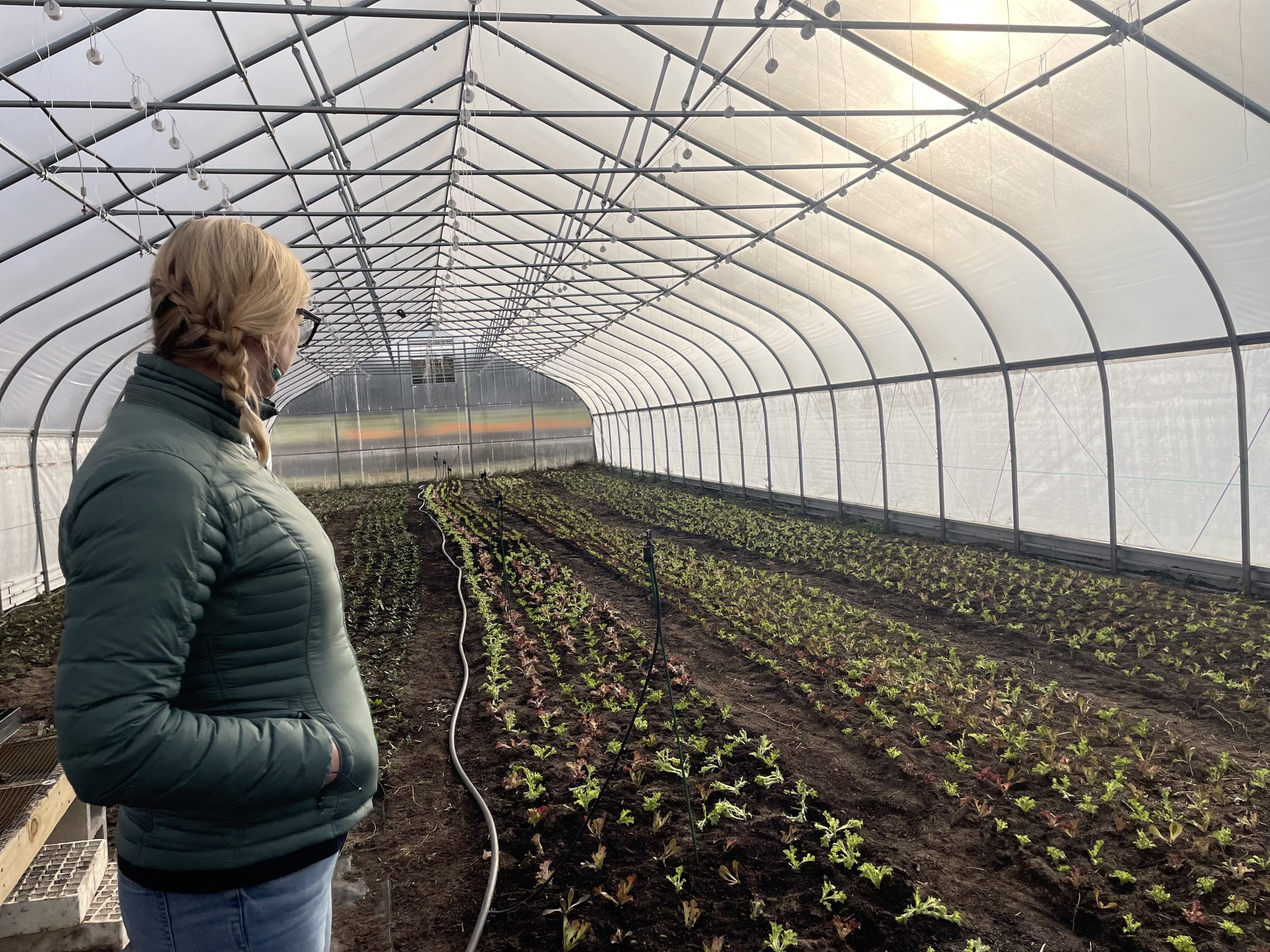
No part of the economy reflects the advantages of locally purchased goods like supporting farmers. Local agriculture is one of the most visible examples of community economics at work.
What Happens When You Support Local Farmers
When local retailers (like your community-owned food co-op) prioritize local products, meat, and dairy, local farmers have the confidence to:
- Invest in capital expenditures, such as farming equipment, livestock, and marketing
- Hire full-time, part-time, and seasonal employees
- Expand into new crops or livestock
- Scale existing operations to serve additional retailers or sales channels, like farm stands or CSAs
Invariably, farmers spread their spending around, often to employees that live locally, suppliers in the region, and through donations and community involvement that makes their hometown more vibrant.
In turn, communities that support their farmers enjoy reliable access to quality food with reduced risk of supply chain disruption caused by trade policy changes, climate disasters, plant and animal disease, and other factors.
Three Ways to Support Local Businesses and Farmers
There are many reasons to shop local, but making the switch to putting local first isn’t always easy. These are just a few ways to realize the full economic impact of shopping locally for your community.
- Give Local a Chance. Before purchasing online, check local stores to see if you can get the product locally. Even if the store doesn’t have it in stock, they may be able to order it for you and get it almost as quickly as Amazon or Walmart.
- Give gift cards. In addition to buying gifts from local stores when possible, consider giving gift cards to friends, family, and business connections to highlight your favorite stores.
- Be an advocate. There is no better marketing than positive word of mouth. Celebrate your favorite stores by making recommendations. Be sure to follow, like, and share local shops on social media, and don’t forget to subscribe to their newsletters.
Important Small Business Statistics
- 250%: Small businesses donate 2.5 times more per employee to local charities than national competitors.
- 26%: Residents with a vibrant local economy drive 26% less than those that rely on malls, shopping centers, and outlet malls.
- 76%: Small business owners are 76% more likely to donate their personal time to civic or youth programs.
Invest in Your Community at Oryana
Oryana Community Co-op is committed to cultivating a vibrant local economy that prizes sustainability, equity, and resilience. When you become an owner or shop our stores, you are doing your part to make our region economically and socially viable for generations to come. Learn more about Oryana, and be sure to join our newsletter for weekly news, recipes, and events all year long!