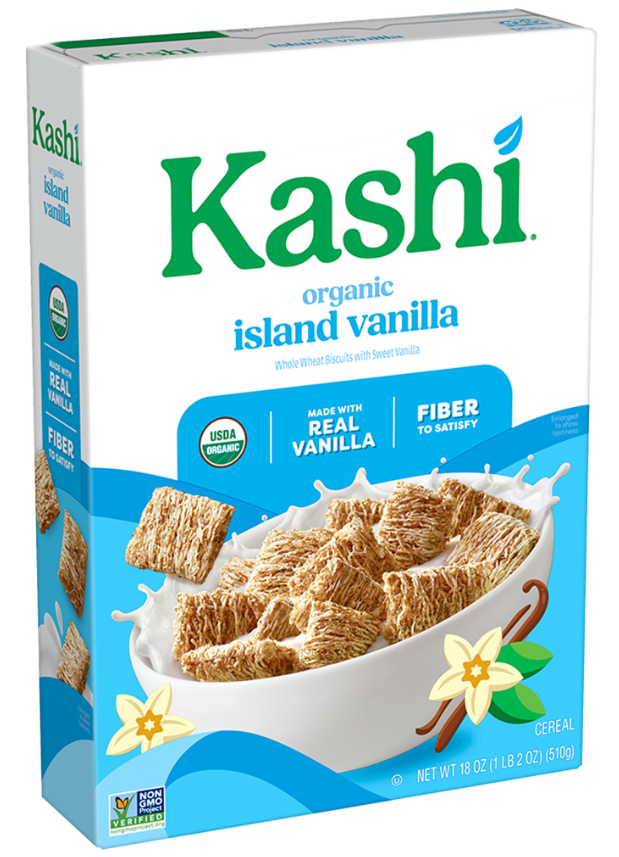
 In the early 1980s, dozens of small start-up food brands sought to make plant-based, sustainable options for discerning consumers. Terms like natural, organic, and gluten-free were brand new and largely open to interpretation. Brand offerings like Kashi Go Lean cereals, bars, and cookies played an important role in standardizing consumer expectations ahead of USDA organic certification nearly two decades later.
The History of Kashi
Kashi was founded in in 1984 in La Jolla, California, by Gayle and Phillip Tauber. The name is a combination of the Kosher food standard (a Jewish dietary requirement) and the Japanese macrobiotic diet popularized by philosopher Michio Kushi.
Kashi’s original offering was focused cereal, an increasingly common breakfast choice in America at a time when an increasing share of households saw both parents join the workforce. One of the brand’s core tenants was to allow busy families and individuals to access nutrient-rich, sustainable products that didn’t take a lot of time to prepare.
The Decline of Kashi
Once a behemoth in the natural food world, changes to Kashi’s business structure and increased competition from incumbent food manufacturers saw its share of shelf space decline over time. Despite some concerns the brand would be discontinued, it still makes a more concise line of breakfast cereals and its Gut Health Granola line-up.
It has also expanded into a line of frozen waffles, though sales of that product are managed by a different distributor.
Who Owns Kashi Cereal?
Today, Kashi is technically owned by WK Kellogg Co., though its waffle products are actually distributed by Kellanova.
The WK Kellogg Co. and Kellanova Split
In 2023, the Kellogg Company split into two independent companies, causing some of Kashi’s products to split as well.
Kellanova operates the company’s legacy snacking and international cereal sales, as well as frozen foods in North America. That includes Kashi’s waffle line-up.
WK Kellogg Co. operates the North American breakfast business, which includes marquee names like Frosted Flakes, Rice Krispies, and Raisin Bran.
Where Is Kashi Cereal Made?
Kashi products are made in WK Kellogg Co.’s production facilities across North America, though the brand remains headquartered in Solana Beach, California. The majority of Kellogg products are made in Battle Creek, Michigan, and Omaha, Nebraska.
Is Kashi Gluten-Free?
No, not all Kashi products are gluten-free, even if they are made with without wheat. A big part of this is the result of utilizing shared manufacturing equipment. Several Koshi products are gluten-free, however, including its Organic Blueberry Clusters Cereal, GOLEAN Vanilla Clusters Cereal, and its original Frozen Waffles.
Is Kashi Cereal Ultra-processed?
Technically speaking, Kashi are considered ultra-processed by most industry definitions, including the NOVA food classification system. Almost all commercially made, ready-to-eat breakfast cereals, regardless of brand, are ultra-processed because ingredients are extruded, flaked, or puffed. Most also contain additive sweeteners, fibers, or proteins.
Kashi cereals tend to have less sugar, no dyes, and fewer added ingredients than most products, making them a relatively nutritious option for most individuals.
Is Kashi Cereal Vegan?
Nearly all Kashi cereals are vegan and primarily plant-based, not all of the brand’s products are considered vegan. Kashi includes specific vegan labeling when appropriate on its products, making it easy to select a product that aligns with your dietary preferences.
We Support Informed Buying
Oryana Community Co-op is committed to providing its shoppers and owners with the information they need to make informed purchasing decisions. We profile brands, do vigorous product research, and prioritize transparency to make selecting products that align with your values easier. Learn more about our buying guidelines, and stay informed by subscribing to our newsletter today.